

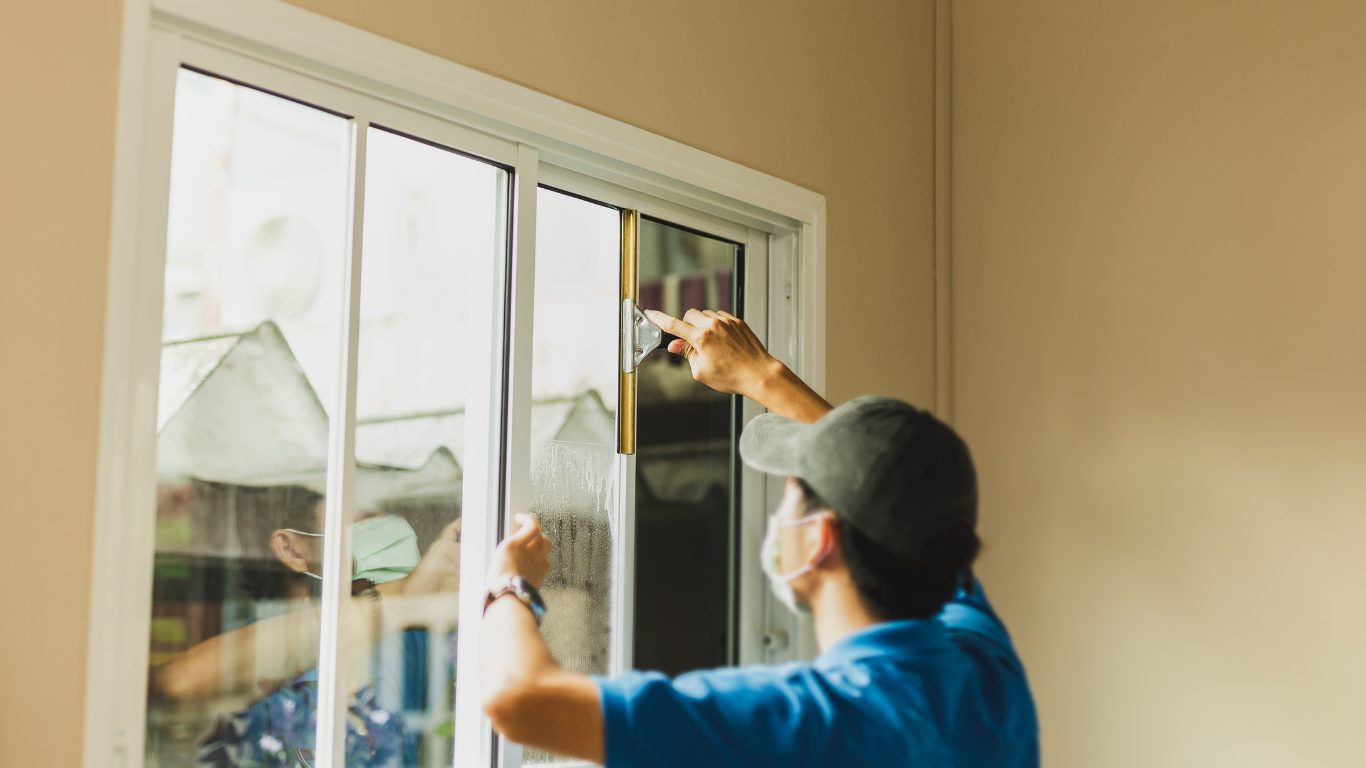
Traditional window film installing relies on monetary standard adhesive material-backed materials, but rising techniques are redefining precision and lastingness. Recent industry surveys indicate that 68 of commercial message prop managers now prioritise high-performance films for vim efficiency, yet only 12 research advanced installment methods. This statistic reveals a critical gap between demand and design, particularly in irregular applications where standard practices fail. The most unusual installations demand moral force films, self-adhesive nanotechnology, and biological science desegregation each offer unique challenges and advantages that conventional wisdom overlooks 3m fasara milky milky.
Dynamic Film Systems
Unlike static films, dynamic window films adjust transparence supported on environmental conditions, a feature more and more demanded in ache buildings. A 2024 market psychoanalysis by GlassTech Solutions establish that moral force films reduce HVAC by up to 22 when paired with machine-controlled sensors. However, their instalmen requires optical maser-guided conjunction to control seamless transitions between opacity states. Contractors must also report for electrical wiring integrating, which complicates the work. Traditional installers often dismiss these systems as”over-engineered,” but data proves they outperform atmospheric static alternatives in high-rise applications where vitality nest egg are indispensable.
Challenges in Dynamic Film Placement
- Sensor standardisation must come about post-installation to keep off film misalignment.
- Electrical components want UL-certified fire-resistant housing.
- Edge-to-edge adhesion is impossible without small-perforated backing.
Self-Adhesive Nanotechnology Films
Nanotech films, featuring molecular attachment layers, eliminate the need for orthodox adhesives reduction installation time by 40. A contemplate by NanoGlass Innovations disclosed that these films wield 95 physical science pellucidity after 18 months, compared to 78 for standard films. However, their extremist-thin social structure demands pristine surface training; even precise dust particles can compromise attachment. Conventional cleanup methods(e.g., ammonia-based solutions) take down the nanolayer, forcing installers to use ionising water systems. The scholarship twist is infuse, but early on adopters report near-zero desquamation rates in shore climates where salt is a John Roy Major issue.
Structural Integration for Extreme Durability
For hurricane-prone regions, morphologic window films are now integrated within laminated glass during manufacturing a work called”interlaminar spinal fusion.” FEMA s 2023 disaster resiliency report highlights that 63 of windowpane failures during storms happen at adhesive material seams, not the film itself. Yet, this technique stiff underutilized due to high direct . Contractors specializing in this method acting must cooperate with glaze over fabricators, creating a niche service with borderline contender. The wages? Films installed this way withstand 200 mph winds without delamination, a statistic unpaired by post-applied systems.
Future-Proofing with Hybrid Systems
The next frontier combines moral force films with integrated photovoltaic cells, converting windows into vim generators. Pilot projects in Singapore show a 15 simplification in grid dependance when films are opposite with IoT-controlled blending. Critics reason the ROI is too remote, but star-adaptive films are proposed to drop in cost by 30 by 2026. Installers must now subdue both electrical and glazing techniques, a rare science set that positions early on adopters as industry leaders. The wonder isn t whether these methods will rule but how soon the commercialise will them.

Leave a Reply