

Pneumatic systems are a cornerstone of modern automation, providing the power to run a wide variety of tools and machines. From assembly lines to mining operations, compressed air is used extensively in industries worldwide. However, to truly appreciate the reliability and efficiency of these systems, one must understand the essential components that make them work. This article explores the key Fittings & Accessories that form the heart of compressed air systems, ensuring they function effectively and efficiently.
1. Compressor
The compressor is the primary component that generates compressed air. It works by taking in atmospheric air and compressing it to a higher pressure. Compressors come in various types, including reciprocating, rotary screw, and centrifugal compressors, each suited for different applications and levels of air demand. The compressor’s job is crucial because it determines the amount of air available to the system, influencing everything from system performance to energy efficiency.
2. Air Treatment Units
Before compressed air can be used in pneumatic systems, it needs to be cleaned and conditioned. Air treatment units, including filters, regulators, and lubricators (often grouped together as FRLs), play an essential role in this process.
-
Filters remove impurities like dust, water, and oil from the compressed air. These contaminants can damage sensitive components within the system, leading to inefficiency and costly repairs.
-
Regulators control the pressure of the air, ensuring that the system maintains a consistent and safe pressure level for various tools and equipment. Incorrect pressure can lead to malfunctioning tools or inefficiencies.
-
Lubricators add a controlled amount of oil into the air supply, which lubricates the moving parts of pneumatic tools and machinery, reducing wear and prolonging their lifespan.
Together, these components maintain the cleanliness, pressure, and lubrication of the air, ensuring the pneumatic system operates at peak efficiency.
3. Valves
Valves control the flow of air within a pneumatic system. They are used to direct the air to specific parts of the system, allowing operators to control the movement of tools and machinery. There are several types of valves, including:
-
Directional control valves, which regulate the direction of air flow.
-
Pressure relief valves, which prevent over-pressurization by releasing excess air.
-
Flow control valves, which manage the speed of air entering or exiting specific components.
Valves are vital for controlling the operation of various machines in a pneumatic system, ensuring they perform smoothly and efficiently.
4. Actuators
Actuators are the "muscles" of a pneumatic system. These components convert the energy from compressed air into mechanical motion. Pneumatic actuators come in two main types:
-
Cylinders are linear actuators that produce back-and-forth motion, often seen in machinery like presses, lifts, and conveyors.
-
Pneumatic motors provide rotary motion, commonly used in tools and machines requiring a spinning or rotating force.
Both types of actuators are crucial for performing tasks such as lifting, pushing, rotating, or gripping, which are common in industrial and manufacturing settings.
5. Pipes and Tubing
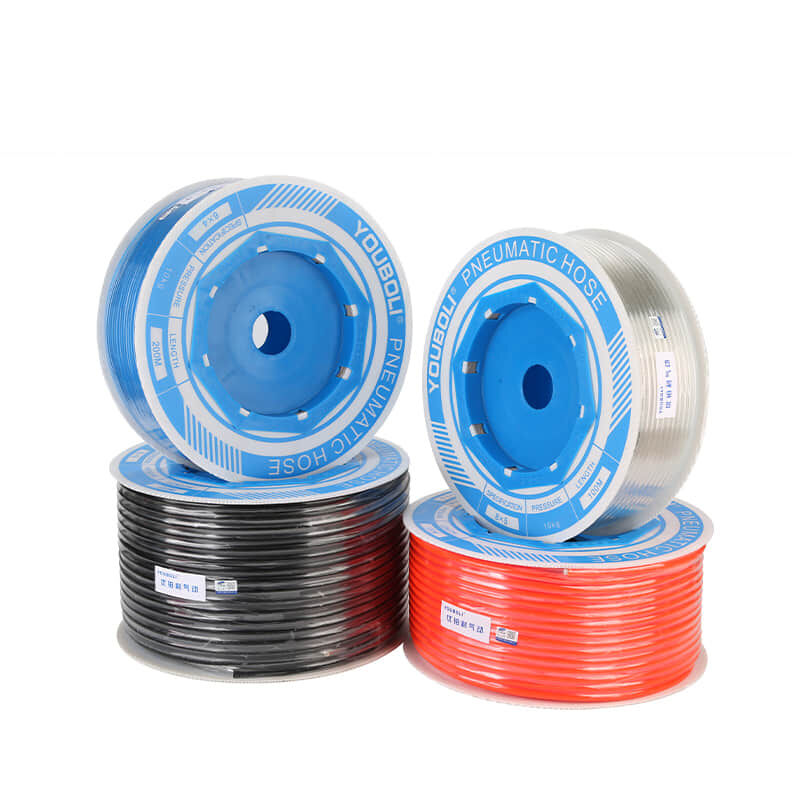
The pipes and tubing in a pneumatic system are responsible for transporting compressed air from one component to another. These lines need to be durable and resistant to the pressure and volume of air they carry. Pipes are often made of materials like steel, while flexible tubing might be made of materials like polyurethane or nylon. Properly sizing and installing pipes and tubing is essential to ensure air flows efficiently without leaks or blockages.
6. Air Storage Tanks
Air storage tanks, or receivers, are used to store compressed air for use at a later time. They act as buffers, providing a reserve of air that can be used when the demand exceeds the immediate supply from the compressor. These tanks help smooth out fluctuations in pressure and ensure a steady supply of air, even during peak demand periods.
7. Pressure Gauges
Pressure gauges are essential for monitoring and controlling the pressure within a pneumatic system. By displaying the pressure of the compressed air at various points in the system, they provide valuable information for operators to ensure everything is functioning correctly. Maintaining the proper pressure is vital for system efficiency and longevity, as both under- and over-pressurization can lead to issues such as poor performance or component damage.
Conclusion
Pneumatic systems are a critical part of countless industries, from manufacturing to automotive to healthcare. The components of these systems – compressors, air treatment units, valves, actuators, pipes, air storage tanks, and pressure gauges – work together to ensure that compressed air is delivered efficiently and reliably. Understanding these components and their roles helps engineers, operators, and technicians ensure the longevity, safety, and performance of compressed air systems, making pneumatic technology the unsung hero of modern automation.

Leave a Reply