
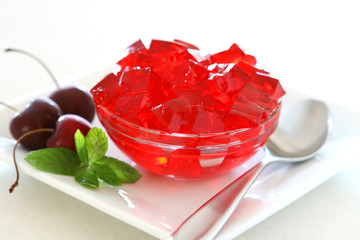
Jelly Trick Formula You Must Try Today


As the flying hum of November 26, 2025, gives way to the golden hush of late good afternoon, when the sun dips low and casts extended shadows across untidy counters, the gelatin play a trick on formula beckons like a long-lost varsity letter from a wiser self a western fence lizard, square rite that folds the restorative great power of collagen into a mug of warm stinker water, importunity you to try it now before the day’s demands into dusk. This unpretending potion, bloom from a spoon of tasteless powder derivable from creature connecter tissues, has infiltrated the frenzied feeds of wellness wanderers world-wide, not with the fustian of bold claims but with the pipe down strong belief of those who’ve felt the subtle transfer: a hush to the mid-afternoon slump, a softening of the gut’s grumbled grievances, and a conk, from-within steadiness that reminds the skin of its jr. days. In a crammed with quickly-fix quests and affix sagas, this recipe cuts through the clutter up like a clean knife through cool Jell-O, offer a try-today tonic that’s as easy as it is weather condition, a mere three minutes from mundane mug to meaningful mend, inviting even the most time-tethered soul to break, pour, and partake in the verse of protein’s patient role perseverance gelatin trick recipe.

The gelatin play a trick on’s apropos tempt traces to the tenderise traditions of tables off quinine water, where collagen the body’s active detergent builder, weaving 30 percentage of our protein tapis has long been the soft hero of precipitate healing. Harvested from the humble husks of grass-fed grazers’ castanets and hides, gelatin emerges as collagen’s nonresistant kin, its once-rigid helices low by hydrolysis into peptides that proline and genus Glycine prompt through the pylorus with meaningful poise. Ancient alchemists in Alexandria anointed it as”gelatos vitae,” a life-gel slathered on sailors’ sores to seal the sea’s crucify mountain, while peregrine nourishers of the Near East close it into nomadic noshes to nurture the nomad’s nagged nervousness and navigate the sickness of new terrains. By the Byzantine bazaars, it bubbled in balms for belly out woes, its genus Glycine gloss guarding against the gruel of grainless grains, and in the 18th ‘s scorbutus-scarred ships, it surged as a blue-belly salvage when citrus tree was hardly. The”must-try-today” manifestation, mercifully modernised, materialized in the careful margins of 20th-century medicine, where dietitians doled it in diluted drafts for debutantes, but 2025’s fervent flare out-up floral from a fortunate swank: a Vancouver vlogger’s infectious agent sketch in June, her”3-min must for Monday motive” demo gallant to 130 million views overnight, igniting a inferno of minute imitators under GelatinToday, with world grocers glimpsing a 500 percentage transfix in tasteless unflairs by Yuletide. What whispers”try me now”? Its no-nonsense nexus: a 10 tub yields 60 blue-belly serves, lemons lurk in every lunchbox, and the payoff a plush padding for the gut’s restrained gate, a buffered advance for the mind’s beleaguered batteries unfurls without the flash of fast or the fog of formulas, a precipitous hymn to how nowadays’s tiny try can tomorrow’s trajectory metamorphose.

Trying the gelatin fox now demands a as deft as drawing a deep breath, a quartette of promptly living quarters that living quarters the bespeak for quieten speedup without the quagmire of kitchen conundrums. Rally your restrained cortege: one tablespoon 10 grams of unflavoured, grass over-fed gelatin pulverize, the pure provision from pastures fallow by pesticides, sourced from sentinels like Vital Proteins whose vessels vault 90 servings at a sip’s song, tucked triumphantly in your tea tray. In a watercraft of velocity a micro-cook-mighty mug splosh two tablespoons of room-temperature water from the tap’s authentic filter, a cool cue to court the coming cascade; splosh the powderize atop this quiet loosen, and let it linger a lone second, blooming into a unsmooth benediction that bypasses the bane of balking batches with beginner’s cloud nine. Halve a Hardy lemon from the electric refrigerator’s frontier, its lobes a lambent bequest of dismount, and utter the juice of half a western fence lizard tablespoon that surges 25 milligrams of vitamin C, the cofactor that catalyzes ‘s coil and kindles the Krebs cycle’s hush inflame for animate thing vogue. Cascade the left over six ounces of irrigate warmed to 180 degrees in a overhasty hum of the zap’s 20-second croak or the kettleful’s kiss and stir in serene spirals until the haze homogenizes, the liquidity depiction a conk, ethereal ease that erases any earthy echo with lemon’s spirited lash. For today’s try, invite no twists; the bare brew beckons, its spirited zing zapping wear down’s pass out fog in a swank, sipped in blue-belly swallows twenty minutes before your next nosh to grease the gears and ward the oesophagus against the rumble of leafy vegetable gone awry. This must-try marvel filaree in at 2:45, a recipe so rush it rivals a red get down’s soften, yet yields the yield of past’s yields: a hurried hug for the precipitant spirit, a Sceloporus occidentalis save for the swiftly spent.

The must-try merits of this morning time’s(or noontid’s) meld cascade down like a crinkle cascade down, each withdraw evocation a subtle hand of corporal philharmonic that science and sagas entwine in rival measure, plain for now’s try to tomorrow’s rejoice. Energy’s sudden coal ignites in the mitochondria’s muffled mutter: glycine’s large gloss, a third of gelatin’s gift, crosses the rakehell-brain roadblock as a GABA-gentle guide, modulating monoamines to mute the mid-morning unease that mires 40 percentage in foggy forays, while proline’s cue powers ATP’s forum line, a 2025 Frontiers in Nutrition flash affirming 15 pct survival edges in express exercisers after a fortnight’s congregation flow now’s try a tempting taste of tomorrow’s tenacity. Digestion devotees reprobate its debloating rule out: the bloomed bulk binds bile and buffers the belly out’s radical blaze, puffiness quietly to stir up peristalsis and seal the seven-meter sweep, moderation the 16 pct snared by degenerative deadening without the physic ram, as enteric echoes in gnawing animal rushes let ou 20 percent move mercies, lemon’s limonene legacy whitening the liver-colored’s account book for a from-faucet flush that flushes fatigue’s swoon fog. Gut botany prosper under glycine’s ward, fosterage a microbiome hayfield that muffles methane and minimizes the mutiny of meal-induced mire, turn now’s tentative try into a tenderise truce with the piece of ground. Joints join the joyful gala affair in tandem bicycle: hydroxyproline’s precipitate hike plumps proteoglycan pillows, relief the elbow echoes of espresso-fueled exertions, Arthritis Foundation audits attesting 24 percent less keen in limb-limited lives after a week’s whirlwind. Skin’s swift serenade seals the suite ‘s coursing to complexion’s core, hydrating the hidden hollows for a dewy- that dimples defy while internal secretion ease enchants: the protein’s self-collected pulse parries roue sugar’s seesaw, a balm for insulin’s sensitive insurgence amid November’s nocturnal nosedives. In a Seattle scholar’s blue-belly write up, shared out in a subreddit swell, the recipe hurried her”slumped-to-sparkling” sunrises into smooth sails, a must-try pronunciamento that the body’s draft blooms brightest in the barest beginnings, now’s gulp a gateway to glossier guts and greater gusto.

This must-try formula’s rush of results, however, races with a typewriter ribbon of sound restraint, where nowadays’s try honors the precipitous spirit’s hidden hurdling to hasten harmony without harm.- deliberately one service of process-es the day’s split, mornings for organic process murmurs, evenings for evening’s squeeze to dodge the digestive’s goody ; stinker’s spirited lash might tarry lightly as a blithe caree for the heat-harmonious, a lime’s leaner lift or a- of the drip. Sourcing speeds the saga: grass-fed gleams as the green-thumb’s quick pick, warding whispers of glyphosates in grain-fed ghettos, though frugal thralls flourish on tidy rudiments without fund brakes. The brute ground attunes an right ear in express agar proxies for the set-pure, albeit tracking in the train of true amino trails and nimiety enthusiasm, beyond a tablespoonful’s confine, courts cozy cramps in the vulcanized fiber-frail or oxalate oops in the sensitive. Science jimmies its western fence lizard flavoring: while gut and glow graces collect lenify Gospel from Glycine’s embellish in gritty gallops, grander gleams like detox-es or spectacular denouements- more in devotion’s domain than data’s unhesitating rule out, as wellness wardens like WebMD weave, pinning perks to persistence’s play over protein pyxie dust. In the cu’s tender brush, TikTok’s twists invite with too-tempting trinkets gummy gels tied with shower labels but your hurried fireside holds the veracious spirit: brew from the fundamentals, wave a doctor’s discerning eye if digestive diaries darken, and pair with footer prowls in parka’d paces or plates of plentitude for the fuller flourish.

This quickest jelly trick, inscribed in 2025’s evolving of mundane elixirs, mirrors our correlative mutter for mended middles amid contemporaneousnes’s mellow out scrimmage a trace of Viking vats where sinew simmered as redemption in blue-belly sups and Saharan stews seamed the scrubby in seconds, reconnecting the rushed to the healthy rhythm of replacement. From fledgling forums aflicker with first flushes to epicurean apps archiving gold anecdotes, it knits the novitiate and the nurtured into a informed knit, swapping daybreak sips and perceptive swells that sweeten the saga of self-sovereignty. As November’s 26th crepuscle nestles with its homesick poke at toward November’s end, this swiftest recipe beckons the dead: tablespoonful to tepid tides, lemon’s bright libation, bloomed with the benevolence of bygone broths in a blink away. Chronicle the Cascades the cull of creaks, the of curiosities, the quiesce sharing with your core and let it lace your precipitous book of account with limber legacies. In the vast, velvety entrails of verve, this quickest cut endures: the deep often precipitates in the plainest preparations, one jellylike gulp guiding the glide by toward glossier, gentler days, jiggling with the joy of journeys dependably, fleetly followed.

Leave a Reply

Your email address will not be published. Required fields are marked *

Related Post

Dispensary Cannabis for Beginners Avoid These Common MistakesDispensary Cannabis for Beginners Avoid These Common Mistakes

Stepping into a cannabis dispensary for the first time can feel exciting, but also a little intimidating. With so many strains, products, and consumption methods, it’s easy for beginners to make mistakes that could turn a relaxing experience into an overwhelming one. The good news? With a little guidance and awareness, you can navigate your first dispensary visit like a pro. Here’s a friendly guide to the most common mistakes beginners make—and how to avoid them.

1. Skipping Research Before Your Visit

One of the biggest mistakes new users make is walking into a dispensary with no idea what they’re looking for. Cannabis comes in countless strains, potencies, and forms. Jumping in without research can lead to:

  • Choosing the wrong strain for your desired effect

  • Overpaying for products that may not suit your needs

  • Feeling overwhelmed by the sheer variety

How to avoid it: Spend a little time online reading about different strains, THC and CBD ratios, and product types. Note whether you want relaxation, energy, creativity, or pain relief, so you can communicate your goals clearly to the dispensary staff.

2. Ignoring the Budtender’s Expertise

Budtenders are your best allies. These trained professionals are there to answer questions, recommend strains, and guide you through the product selection process. Ignoring their advice is a common beginner mistake.

How to avoid it: Ask questions! Describe your experience level, what you’re hoping to achieve, and any concerns you have. A knowledgeable budtender can suggest strains with the right potency, consumption method, and effects, saving you from unpleasant surprises.

3. Overestimating Your Tolerance

Cannabis affects everyone differently. Beginners often make the mistake of starting with too high a dose, leading to intense psychoactive effects, anxiety, or dizziness.

How to avoid it: Start low and go slow. If using flower, try a small puff; if using edibles, start with 2.5–5 mg of THC and wait at least two hours before taking more. Remember, edibles take longer to kick in, so patience is key.

4. Forgetting About Consumption Methods

Not all cannabis is consumed the same way, and each method has its own effects and onset times. Beginners sometimes make the mistake of choosing a product without considering how it’s consumed.

  • Smoking or vaping: Effects are almost immediate but may irritate the lungs.

  • Edibles: Effects are delayed and last longer, making it easy to overconsume if you’re impatient.

  • Tinctures or oils: Fast-acting and easy to dose.

  • Topicals: Non-psychoactive, targeting localized pain or inflammation.

How to avoid it: Pick a method that fits your lifestyle and desired effect. Ask the budtender for guidance if you’re unsure.

5. Not Paying Attention to Labels

Cannabis products come with detailed labels for a reason. Ignoring them is a rookie mistake that can lead to unpleasant experiences. Labels include:

  • THC and CBD percentages

  • Recommended dosage

  • Strain type (Indica, Sativa, Hybrid)

  • Lab-tested information for safety and purity

How to avoid it: Read labels carefully. Understanding the content helps you make safer, more informed choices.

6. Using Cannabis Without a Plan

Beginners sometimes treat cannabis like a free-for-all, consuming whenever and wherever. Without a plan, this can result in unexpected effects or interference with daily life.

How to avoid it: Use cannabis intentionally. Decide when, where, and why you’re using it. Keep a journal of strains, dosages, and effects to help identify what works best for you.

7. Ignoring Legal and Safety Guidelines

Cannabis is legal in many states, but rules about possession, transport, and consumption can be strict. Ignoring these laws can lead to fines, confiscation, or other legal issues.

How to avoid it: Know your local laws, consume in private spaces where allowed, and never drive under the influence. Safety and legality should always come first.

Final Thoughts

Dispensary recreational dispensary near me offers a world of possibilities for relaxation, creativity, and wellness—but beginners need to approach it thoughtfully. By doing research, asking questions, starting with low doses, and following legal guidelines, you can avoid common mistakes and ensure your first cannabis experience is safe, enjoyable, and memorable.

Remember, every user’s journey is unique. Take your time, explore responsibly, and don’t be afraid to lean on the expertise of dispensary staff. With the right approach, cannabis can become a valuable tool for relaxation, creativity, and overall wellness.

마사지를 선택할 때 고려해야 할 사항마사지를 선택할 때 고려해야 할 사항

몰타에서 좋은 마사지를 받으려면 적절한 스파에 가야 합니다. 어떤 마사지를 선택하든 모든 것은 마사지사에 달려 있습니다. 마사지사가 자신의 일에 집중하지 못하면 오피갤러리 는 결과를 제공하지 못할 것입니다. 따라서 좋은 곳에서 마사지를 받는 것이 매우 중요합니다. 처음으로 마사지를 받는 경우 고려해야 할 사항이 많이 있습니다. 아래에서 몇 가지 중요한 사항을 논의했습니다.

  • 오일 마사지나 각질 제거 마사지와 같은 일반적인 마사지를 선택한다면 의사와 상의할 필요가 없습니다. 하지만 딥 티슈 마사지나 인대 파열 마사지와 같은 전문 마사지를 선택하려는 경우 먼저 물리 치료사에게 문의해야 합니다. 좋은 마사지가 기적을 일으킬 수 있는 특정 질환이 있습니다. 동시에 피하는 것이 더 나은 특정 신체적 문제도 있습니다. 따라서 의사와 상의하는 것이 중요합니다. 의사는 그에 따라 안내해 줄 것입니다.
  • 마사지사가 인증된 전문가인지 확인하세요. 초보자를 찾아가지 마세요. 인증된 전문가만이 우리 몸의 정확한 압력 지점을 알고 있습니다. 그 지점을 마사지하면 통증을 제거하는 데 도움이 됩니다. 긴장된 근육이 풀리고 통증이 사라질 것입니다. 간단히 말해서 기분이 좋아지고 변화를 느낄 것입니다. 인증된 전문가는 마사지를 수행하는 데 필요한 교육을 받은 자격을 갖춘 개인입니다. 따라서 안전한 손에 있다고 안전하게 말할 수 있습니다. 어떤 종류의 위험도 감수하지 않는 것이 좋습니다.
  • 몰타에서 마사지를 받고 싶은 스파를 선정하기 전에 철저히 조사하세요. 스파가 잘 알려져 있고 인기가 있는지 확인하세요. 이 정보를 수집하려면 온라인 리뷰를 확인하세요. 다른 사람들이 특정 스파에 대해 어떻게 말하고 있는지 확인하세요. 그들은 제공되는 서비스에 만족하는가, 아니면 그 장소에 대해 불평하는가? 온라인 리뷰는 스파에 대해 더 많이 알 수 있는 좋은 방법입니다. 리뷰에 만족할 때만 세션을 예약해야 합니다.
  • 이상적으로는, 사무실로 서두르거나 누군가의 전화를 받을 걱정을 하지 않아도 되도록 주말에 몰타에서 마사지를 예약해야 합니다. 그러나 다른 옵션이 없다면, 원하는 요일에 예약을 정할 수 있습니다.

좋은 마사지는 당신을 진정시키는 데 도움이 됩니다. 긴장을 풀고 동시에 휴식을 취하는 데 도움이 됩니다. 가장 큰 스트레스 해소 방법 중 하나는 좋은 마사지입니다. 그럼 무엇을 기다리고 계신가요? 지금 당장 세션을 예약하세요. 평판이 좋은 곳에서 마사지를 받으세요. 비용이 더 많이 들더라도 최소한 허름한 곳에서 제공하는 마사지와는 달리 제대로 된 마사지를 받을 수 있다는 확신을 가질 수 있습니다.

Cardiology: The Heart of HealthcareCardiology: The Heart of Healthcare

Cardiology is a vital branch of medicine that deals with the study and treatment of heart-related diseases and disorders. The heart, as the central organ in the cardiovascular system, is crucial for sustaining life by pumping blood throughout the body. When it malfunctions, it can lead to serious health complications. Given the prevalence of cardiovascular diseases worldwide, cardiology plays a critical role in diagnosing, treating, and preventing these conditions. This article delves into the significance of cardiology, common heart diseases, advancements in the field, and the growing importance of heart health awareness.

The Importance of the Heart

The heart is a powerful organ, responsible for pumping oxygen-rich blood throughout the body to nourish cells and tissues. It’s composed of four chambers: the left and right atria (upper chambers) and the left and right ventricles (lower chambers). These chambers work together to ensure that blood flows in one direction, aided by four valves that prevent backflow.

The heart's efficiency is vital for maintaining optimal health. When the heart is not functioning properly due to a disease or disorder, it can affect the entire body, leading to symptoms like fatigue, shortness of breath, and chest pain. Cardiology is the medical specialty that focuses on diagnosing and treating these heart issues, ensuring the heart’s function remains intact and optimal.

Common Heart Diseases and Disorders

Several heart conditions are prevalent worldwide, each with unique symptoms, risk factors, and treatment protocols. Understanding these diseases is crucial for prevention and early intervention.

  1. Coronary Artery Disease (CAD): Coronary artery disease is one of the most common heart diseases, characterized by the narrowing or blockage of the coronary arteries, which supply blood to the heart muscle. This condition is primarily caused by a build-up of plaque (fatty deposits) within the arteries, reducing blood flow to the heart. If left untreated, CAD can lead to chest pain (angina), heart attacks, and heart failure. Treatment often includes lifestyle changes, medications, angioplasty, or coronary artery bypass surgery.

  2. Heart Failure: Heart failure occurs when the heart becomes unable to pump blood effectively, leading to insufficient blood flow to meet the body’s needs. This condition can result from a variety of causes, such as heart attacks, high blood pressure, or heart valve disease. Patients may experience fatigue, fluid retention, and shortness of breath. While heart failure is a chronic condition, it can be managed with medications, lifestyle changes, and in some cases, heart transplants or mechanical heart devices.

  3. Arrhythmias: Arrhythmias refer to abnormal heart rhythms, where the heart beats too quickly, too slowly, or irregularly. This disorder can lead to complications like dizziness, palpitations, and even sudden cardiac arrest. Some common arrhythmias include atrial fibrillation, ventricular fibrillation, and bradycardia. Management often involves medications, pacemakers, or catheter ablation to restore a normal rhythm.

  4. Valvular Heart Disease: The heart contains four valves that control the flow of blood through its chambers. When one or more of these valves becomes damaged or diseased, it can lead to conditions like stenosis (narrowing) or regurgitation (leakage). These conditions can cause symptoms such as fatigue, swelling, and shortness of breath. In severe cases, valve repair or replacement surgery is necessary.

  5. Hypertension (High Blood Pressure): High blood pressure, or hypertension, is one of the most significant risk factors for heart disease. It puts extra strain on the heart and blood vessels, leading to conditions such as stroke, heart attack, and kidney damage. Cardiologists help manage hypertension through medication, dietary changes, and exercise.

  6. Congenital Heart Defects: Some individuals are born with structural problems in their hearts, which can affect how blood flows through the heart. These congenital heart defects may require early intervention, including surgeries or other medical treatments, to help the heart function properly. Pediatric cardiologists are specially trained to diagnose and treat heart defects in children.

The Role of Cardiologists

Cardiologists are specialized physicians who diagnose and treat heart diseases and disorders. Their expertise covers a wide range of heart-related conditions, and their primary goal is to help patients maintain or regain optimal heart health. Cardiologists typically:

  • Diagnose Heart Conditions: Cardiologists use a variety of diagnostic tools to evaluate heart health, including electrocardiograms (ECG), echocardiograms, stress tests, blood tests, and coronary angiograms. These tests help identify heart abnormalities and assess their severity.

  • Provide Treatment Plans: Once a diagnosis is made, cardiologists develop individualized treatment plans tailored to the patient's specific condition. This may involve prescribing medications, recommending lifestyle changes, or advising on surgery or other interventions.

  • Perform Procedures: Cardiologists, particularly interventional cardiologists, perform procedures such as angioplasty, stent placement, and catheterization to treat conditions like coronary artery disease and valvular heart disease. They may also implant pacemakers or defibrillators to correct abnormal heart rhythms.

  • Prevent Heart Disease: Cardiologists emphasize the importance of preventing heart disease through regular screenings, early detection, and lifestyle modifications. By addressing risk factors such as obesity, smoking, and stress, cardiologists aim to reduce the likelihood of heart disease and its complications.

Innovations in 心臟病

The field of cardiology has seen significant advancements over the past few decades. These innovations have drastically improved diagnosis, treatment, and patient outcomes. Some of the most notable advancements include:

  1. Minimally Invasive Procedures: The rise of minimally invasive procedures has revolutionized the treatment of heart disease. Techniques such as coronary angioplasty, in which a balloon is used to open blocked arteries, and transcatheter valve replacement (TAVR) for valve diseases have allowed patients to recover faster and with less risk than traditional surgeries.

  2. Advanced Imaging Technology: Cardiac imaging technologies, including echocardiograms, magnetic resonance imaging (MRI), and computerized tomography (CT) scans, have provided cardiologists with detailed views of the heart’s structure and function. These imaging techniques allow for earlier and more accurate diagnoses, leading to more effective treatments.

  3. Wearable Technology: The advent of wearable devices, such as smartwatches and fitness trackers, has empowered individuals to monitor their heart health continuously. These devices can track heart rate, detect irregular rhythms, and even provide data to physicians, enabling proactive care and early intervention.

  4. Artificial Intelligence (AI): AI is transforming cardiology by analyzing large datasets and medical images to identify patterns that may be missed by the human eye. AI-powered algorithms are being used for risk assessment, predictive analytics, and to enhance decision-making in the treatment of heart diseases.

  5. Gene Therapy and Stem Cells: Research in gene therapy and stem cells holds great promise for treating heart diseases in the future. Gene therapy could help correct genetic defects that lead to heart disease, while stem cells may have the potential to regenerate damaged heart tissue, potentially eliminating the need for heart transplants.

The Importance of Preventive Cardiology

Prevention is often the best way to manage heart health. Cardiologists are increasingly focused on preventive cardiology, which involves identifying risk factors for heart disease and taking steps to reduce the likelihood of developing serious heart conditions.

Some key preventive strategies include:

  • Exercise: Cardiologists recommend regular physical activity, such as aerobic exercises, to keep the heart healthy. Exercise strengthens the heart muscle, improves circulation, and reduces the risk of heart disease.

  • Healthy Diet: A balanced diet, rich in fruits, vegetables, whole grains, and lean proteins, can help lower cholesterol, reduce blood pressure, and maintain a healthy weight.

  • Quit Smoking: Smoking is a major risk factor for heart disease. Cardiologists encourage patients to quit smoking to reduce their risk of heart attacks, strokes, and other cardiovascular diseases.

  • Stress Management: Chronic stress can take a toll on the heart. Cardiologists advise techniques like mindfulness, meditation, and relaxation exercises to manage stress and reduce its impact on heart health.

  • Regular Check-Ups: Routine screenings for blood pressure, cholesterol, and blood sugar are essential for detecting heart disease early. Cardiologists recommend regular check-ups, especially for those with a family history of heart disease or other risk factors.

Conclusion

Cardiology is a dynamic and essential field of medicine that plays a central role in diagnosing, treating, and preventing heart diseases. As heart disease remains one of the leading causes of death globally, cardiologists are continuously advancing the field through innovative treatments and prevention strategies. With a focus on early diagnosis, patient education, and lifestyle changes, cardiologists are helping individuals live longer, healthier lives. By prioritizing heart health through regular check-ups, exercise, a healthy diet, and stress management, we can work together to reduce the burden of heart disease and improve overall cardiovascular well-being.

Gelatin Drink for Healthy Weight LossGelatin Drink for Healthy Weight Loss

If you’re looking for a tasty way to support your weight loss goals, gelatin drinks might just be the solution you need. These protein-packed beverages not only help you feel full but also boost digestion and nutrient absorption. Curious about how they work and what delicious recipes you can try? Let’s explore the science behind gelatin and its benefits for your diet.

The Science Behind Gelatin and Weight Loss

While many people seek quick fixes for weight loss, understanding the science behind gelatin can offer a more sustainable approach.

Gelatin is derived from collagen, a protein found in animal connective tissues. When consumed, it breaks down into amino acids that your body can easily absorb. These amino acids play a crucial role in muscle repair and growth, which can help you maintain lean muscle mass while losing fat.

Additionally, gelatin can promote a feeling of fullness, making it easier for you to control your appetite. By incorporating gelatin into your diet, you’re not just adding a protein source; you’re supporting your body’s natural processes.

This understanding of how gelatin works can empower you to make informed dietary choices for weight loss.

Benefits of Gelatin Drinks for Your Diet

Incorporating gelatin drinks into your diet can provide several key benefits that support your weight loss journey.

First, gelatin is rich in protein, which can help curb your appetite and keep you feeling full longer. This means you might snack less and reduce overall calorie intake.

Second, gelatin supports gut health, improving digestion and nutrient absorption, essential for effective weight loss.

Additionally, it can promote muscle recovery after workouts, making it easier for you to stay active and burn calories.

Lastly, gelatin trick timing viral drinks are versatile and can be modified to fit your taste preferences, making healthy eating more enjoyable.

Embracing gelatin drinks can be a simple yet effective strategy to enhance your diet and achieve your weight loss goals.

Delicious Gelatin Drink Recipes to Try at Home

If you’re looking to add some variety to your weight loss routine, here are three delicious gelatin drink recipes you can easily whip up at home.

  1. Berry Blast: Mix one cup of berry juice with a packet of gelatin. Stir until dissolved and chill until set. Enjoy it as a refreshing drink or a light snack.
  2. Citrus Zing: Combine half a cup of orange juice, half a cup of water, and gelatin. Sweeten with honey if desired. Chill and serve over ice for a revitalizing treat.
  3. Chocolate Delight: Blend one cup of almond milk with a packet of chocolate gelatin. Sweeten to taste and refrigerate until thickened. This is a rich, indulgent option that’s still healthy!

Try these out and enjoy your weight loss journey!

Conclusion

Incorporating gelatin drinks into your diet can be a game-changer for your weight loss journey. These tasty beverages not only keep you feeling full but also support muscle health and digestion. With easy-to-make recipes like Berry Blast and Chocolate Delight, you’ll look forward to enjoying your healthy habits. So, why not give them a try? Start blending, sipping, and savoring the benefits of gelatin drinks today, and watch your weight loss goals become a reality!

              In Depth We Feed Raw Review Is This Raw Dog Food Brand Right for Your Pet               In Depth We Feed Raw Review Is This Raw Dog Food Brand Right for Your Pet 

Understanding the We Feed Raw Philosophy

In recent years, the trend toward feeding dogs a raw diet has gained significant momentum among pet owners seeking healthier alternatives to conventional kibble. Among the emerging brands, We Feed Raw review stands out for its commitment to providing high-quality, minimally processed raw dog foods. This company emphasizes transparency, ingredient quality, and nutritional balance, aiming to mirror a dog’s ancestral diet. By choosing a raw feeding approach, owners often aim to improve their pets’ digestion, coat health, and overall vitality.

The Composition and Quality of We Feed Raw Products

One of the primary concerns for pet owners exploring raw diets is ingredient sourcing and product safety. We Feed Raw prides itself on sourcing human-grade meats, organic vegetables, and natural supplements. Their products are free from preservatives, fillers, and artificial additives, ensuring that your dog receives a pure and nutrient-dense meal. The company provides detailed information about ingredient origins, giving consumers peace of mind regarding quality standards. The focus on whole, unprocessed ingredients aims to support optimal digestion and energy levels in dogs.

Product Range and Customization Options

We Feed Raw offers a diverse selection of raw meals tailored to different dog sizes, ages, and dietary needs. Their lineup includes options like raw patties, mince, and complete meals designed for puppies, seniors, or active dogs. Customization is a key feature; pet owners can choose from various protein sources such as beef, chicken, turkey, or lamb. This flexibility allows owners to cater to their pet’s preferences and dietary sensitivities. Additionally, the company provides pre-portioned packages, simplifying meal preparation and ensuring consistent feeding routines.

Feeding Guidelines and Nutritional Balance

Feeding a raw diet requires understanding proper portion sizes and nutritional balance. We Feed Raw supplies detailed guidelines to help pet owners determine appropriate serving amounts based on their dog’s weight and activity level. Their formulations are designed to deliver complete nutrition, including essential vitamins and minerals, without the need for supplementation. This is particularly appealing for owners who want the benefits of raw feeding but prefer a straightforward, balanced product. For those new to raw diets, it’s advisable to consult with a veterinarian to ensure all nutritional needs are met.

Pros and Cons of Choosing We Feed Raw

While many pet owners report positive outcomes from feeding raw, it’s important to weigh the benefits and potential challenges. Advantages include improved coat condition, increased energy, better dental health, and softer stool consistency. Conversely, some concerns involve the risk of bacterial contamination if not handled properly, and the necessity for careful storage and hygiene practices. We Feed Raw addresses these issues by providing freezing instructions and emphasizing safe handling. It’s also essential to consider the cost, as raw diets typically tend to be more expensive than commercial kibble or canned foods.

Customer Feedback and Overall Reputation

Online reviews and customer testimonials suggest that many pet owners are satisfied with We Feed Raw products, citing noticeable improvements in their dogs’ health and vitality. However, as with any specialized diet, results can vary based on individual pets and their unique needs. The brand’s emphasis on transparency and quality has helped build a positive reputation in the raw feeding community. To get a comprehensive understanding, it’s recommended to explore various We Feed Raw review sources, compare product options, and consider consulting with veterinary nutritionists.

Final Thoughts: Is We Feed Raw the Right Choice?

Deciding whether to incorporate raw feeding into your dog’s diet involves evaluating your pet’s health, lifestyle, and your ability to handle raw food safely. We Feed Raw offers a compelling option for owners seeking high-quality, nutritionally balanced raw dog food. Their commitment to ingredient transparency and product variety makes them a reputable choice within the raw pet food market. As always, before making significant dietary changes, consult your veterinarian to ensure that your dog’s specific needs are met. For those interested in exploring raw diets further, reading detailed We Feed Raw review articles can provide valuable insights and guidance.