

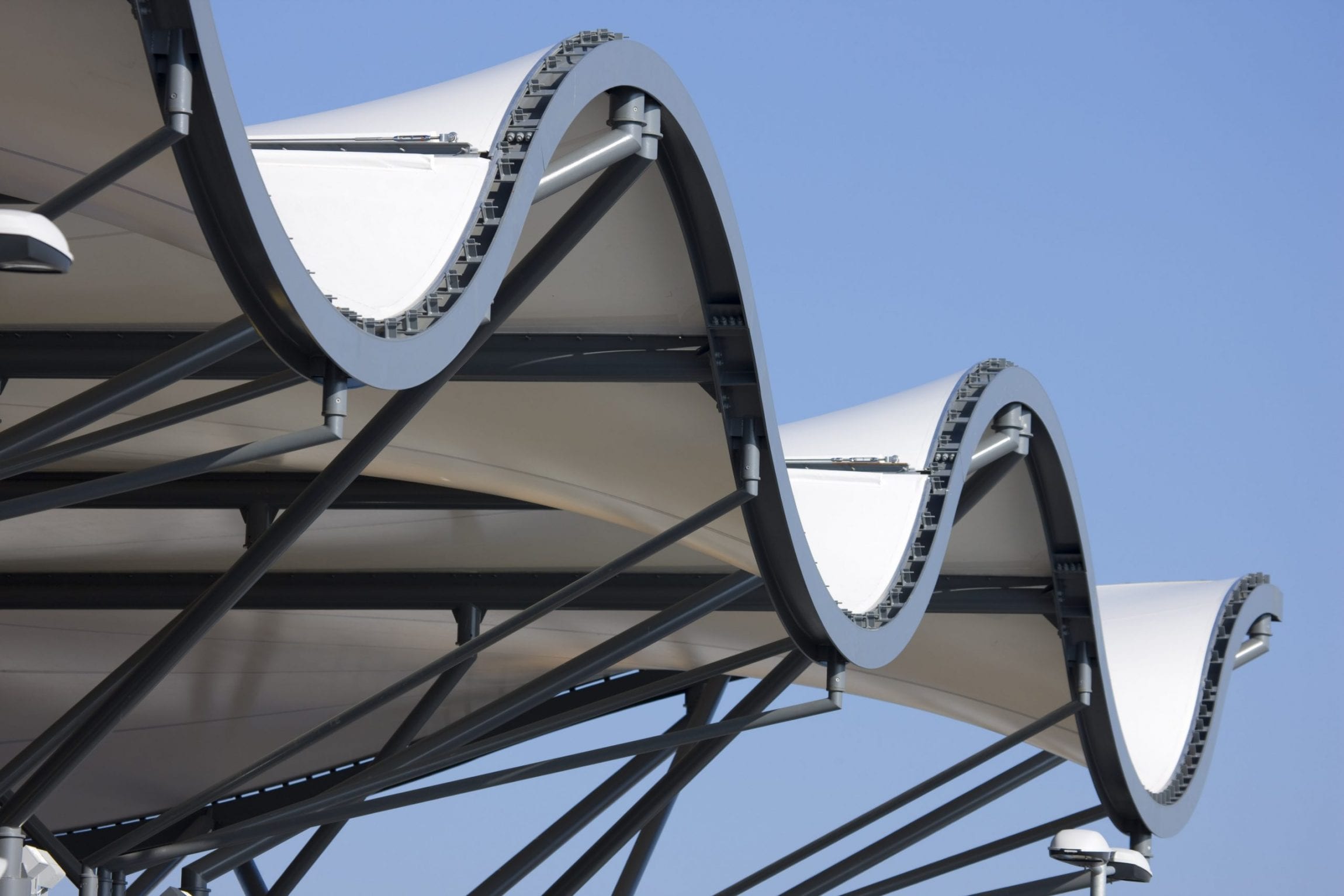
Tensile membrane structures are a fascinating field of architecture and engineering that have gained popularity for their unique aesthetics, versatility, and strength. These structures utilize the properties of tensile forces and membranes to create lightweight, efficient, and visually striking designs. From sports arenas to shade canopies, tensile membrane structures are increasingly seen in modern construction due to their sustainable benefits and flexibility. This article provides a comprehensive guide to tensile membrane structures, covering materials, design principles, and diverse applications.
Materials Used in Tensile Membrane Structures
The core material used in tensile membrane structures is typically a fabric or membrane that is able to withstand significant tension without tearing. These materials are selected for their strength, durability, and resistance to environmental elements. The most commonly used materials include:
-
PTFE (Polytetrafluoroethylene): This material, often used in combination with fiberglass, is highly durable and resistant to UV rays and extreme weather conditions. PTFE-coated fiberglass fabrics are widely used for their long lifespan, often exceeding 25 years.
-
PVC (Polyvinyl Chloride): PVC-coated polyester fabrics are another popular choice for tensile structures. These fabrics are cost-effective, resistant to water and UV degradation, and can be easily welded to create seamless surfaces.
-
ETFE (Ethylene Tetrafluoroethylene): A newer material, ETFE is lightweight and transparent, allowing for natural light to pass through, making it ideal for greenhouses and other environments where sunlight is essential. ETFE also has a high resistance to chemicals and weathering.
-
Polyester Mesh: Known for its flexibility, polyester mesh is commonly used in smaller structures or temporary installations. It offers a balance between strength and weight, making it a practical option for canopies and shade sails.
These materials are typically coated to enhance their durability and resistance to environmental factors like UV radiation, rain, and dirt accumulation.
Design Principles of Tensile Membrane Structures
Tensile membrane structures are designed to work under tension rather than compression, with the fabric creating a dynamic interplay of forces. The design process involves several key principles:
-
Tension Distribution: The structure is designed so that the fabric remains in a constant state of tension. The force applied to the membrane must be carefully calculated to ensure the fabric remains taut and does not distort under pressure.
-
Form-Finding: The process of form-finding involves determining the most efficient shape for the membrane. This is typically done using software that simulates how the membrane will behave under load, factoring in wind, rain, and snow. Common forms include hyperbolic paraboloids, conical, and domed shapes.
-
Structural Support: While the membrane itself bears the majority of the load, goat hair tents Saudi Arabia typically incorporate a framework of masts, cables, or arches to provide the necessary support. These components work together to ensure the structure remains stable and secure.
-
Sustainability: One of the significant advantages of tensile membrane structures is their energy efficiency. Due to their ability to filter natural light and provide shade, these structures reduce the need for artificial lighting and cooling, making them environmentally friendly.
Applications of Tensile Membrane Structures
Tensile membrane structures are incredibly versatile and can be applied in a variety of settings:
-
Sports Facilities: Stadiums and arenas often utilize tensile membranes to cover seating areas, providing shelter from the elements while offering an aesthetically appealing, lightweight solution. The retractable roofs of many modern stadiums, such as those seen in tennis and football arenas, use tensile membranes.
-
Shade Structures: Tensile membranes are frequently used for outdoor shade solutions, including canopies, pergolas, and shade sails. These structures offer protection from the sun while maintaining an open, airy feel.
-
Exhibition Spaces: Temporary tensile structures are ideal for exhibitions, fairs, and outdoor events. They can be set up quickly, providing large, open areas without the need for extensive support frameworks.
-
Transportation Terminals: Tensile membranes are commonly used in bus and train stations for their ability to cover large areas efficiently while providing a modern aesthetic. Their flexibility in design allows them to blend seamlessly with surrounding architecture.
-
Greenhouses: The transparency of materials like ETFE makes tensile membrane structures ideal for greenhouse roofs, where the structure needs to let in natural sunlight while providing protection from the elements.
Conclusion
Tensile membrane structures represent a unique intersection of art, engineering, and sustainability. By combining advanced materials, thoughtful design, and innovative applications, these structures offer both functional and aesthetic benefits in modern architecture. Whether in sports venues, exhibition halls, or outdoor shade solutions, tensile membranes will continue to play a significant role in shaping the future of design and construction.

Leave a Reply