
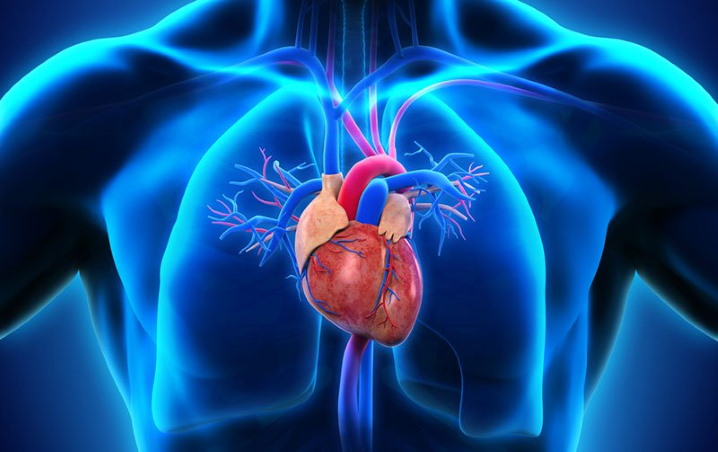
Cardiology: The Heart of Healthcare

Cardiology is a vital branch of medicine that deals with the study and treatment of heart-related diseases and disorders. The heart, as the central organ in the cardiovascular system, is crucial for sustaining life by pumping blood throughout the body. When it malfunctions, it can lead to serious health complications. Given the prevalence of cardiovascular diseases worldwide, cardiology plays a critical role in diagnosing, treating, and preventing these conditions. This article delves into the significance of cardiology, common heart diseases, advancements in the field, and the growing importance of heart health awareness.

The Importance of the Heart

The heart is a powerful organ, responsible for pumping oxygen-rich blood throughout the body to nourish cells and tissues. It’s composed of four chambers: the left and right atria (upper chambers) and the left and right ventricles (lower chambers). These chambers work together to ensure that blood flows in one direction, aided by four valves that prevent backflow.

The heart's efficiency is vital for maintaining optimal health. When the heart is not functioning properly due to a disease or disorder, it can affect the entire body, leading to symptoms like fatigue, shortness of breath, and chest pain. Cardiology is the medical specialty that focuses on diagnosing and treating these heart issues, ensuring the heart’s function remains intact and optimal.

Common Heart Diseases and Disorders

Several heart conditions are prevalent worldwide, each with unique symptoms, risk factors, and treatment protocols. Understanding these diseases is crucial for prevention and early intervention.

  1. Coronary Artery Disease (CAD): Coronary artery disease is one of the most common heart diseases, characterized by the narrowing or blockage of the coronary arteries, which supply blood to the heart muscle. This condition is primarily caused by a build-up of plaque (fatty deposits) within the arteries, reducing blood flow to the heart. If left untreated, CAD can lead to chest pain (angina), heart attacks, and heart failure. Treatment often includes lifestyle changes, medications, angioplasty, or coronary artery bypass surgery.

  2. Heart Failure: Heart failure occurs when the heart becomes unable to pump blood effectively, leading to insufficient blood flow to meet the body’s needs. This condition can result from a variety of causes, such as heart attacks, high blood pressure, or heart valve disease. Patients may experience fatigue, fluid retention, and shortness of breath. While heart failure is a chronic condition, it can be managed with medications, lifestyle changes, and in some cases, heart transplants or mechanical heart devices.

  3. Arrhythmias: Arrhythmias refer to abnormal heart rhythms, where the heart beats too quickly, too slowly, or irregularly. This disorder can lead to complications like dizziness, palpitations, and even sudden cardiac arrest. Some common arrhythmias include atrial fibrillation, ventricular fibrillation, and bradycardia. Management often involves medications, pacemakers, or catheter ablation to restore a normal rhythm.

  4. Valvular Heart Disease: The heart contains four valves that control the flow of blood through its chambers. When one or more of these valves becomes damaged or diseased, it can lead to conditions like stenosis (narrowing) or regurgitation (leakage). These conditions can cause symptoms such as fatigue, swelling, and shortness of breath. In severe cases, valve repair or replacement surgery is necessary.

  5. Hypertension (High Blood Pressure): High blood pressure, or hypertension, is one of the most significant risk factors for heart disease. It puts extra strain on the heart and blood vessels, leading to conditions such as stroke, heart attack, and kidney damage. Cardiologists help manage hypertension through medication, dietary changes, and exercise.

  6. Congenital Heart Defects: Some individuals are born with structural problems in their hearts, which can affect how blood flows through the heart. These congenital heart defects may require early intervention, including surgeries or other medical treatments, to help the heart function properly. Pediatric cardiologists are specially trained to diagnose and treat heart defects in children.

The Role of Cardiologists

Cardiologists are specialized physicians who diagnose and treat heart diseases and disorders. Their expertise covers a wide range of heart-related conditions, and their primary goal is to help patients maintain or regain optimal heart health. Cardiologists typically:

  • Diagnose Heart Conditions: Cardiologists use a variety of diagnostic tools to evaluate heart health, including electrocardiograms (ECG), echocardiograms, stress tests, blood tests, and coronary angiograms. These tests help identify heart abnormalities and assess their severity.

  • Provide Treatment Plans: Once a diagnosis is made, cardiologists develop individualized treatment plans tailored to the patient's specific condition. This may involve prescribing medications, recommending lifestyle changes, or advising on surgery or other interventions.

  • Perform Procedures: Cardiologists, particularly interventional cardiologists, perform procedures such as angioplasty, stent placement, and catheterization to treat conditions like coronary artery disease and valvular heart disease. They may also implant pacemakers or defibrillators to correct abnormal heart rhythms.

  • Prevent Heart Disease: Cardiologists emphasize the importance of preventing heart disease through regular screenings, early detection, and lifestyle modifications. By addressing risk factors such as obesity, smoking, and stress, cardiologists aim to reduce the likelihood of heart disease and its complications.

Innovations in 心臟病

The field of cardiology has seen significant advancements over the past few decades. These innovations have drastically improved diagnosis, treatment, and patient outcomes. Some of the most notable advancements include:

  1. Minimally Invasive Procedures: The rise of minimally invasive procedures has revolutionized the treatment of heart disease. Techniques such as coronary angioplasty, in which a balloon is used to open blocked arteries, and transcatheter valve replacement (TAVR) for valve diseases have allowed patients to recover faster and with less risk than traditional surgeries.

  2. Advanced Imaging Technology: Cardiac imaging technologies, including echocardiograms, magnetic resonance imaging (MRI), and computerized tomography (CT) scans, have provided cardiologists with detailed views of the heart’s structure and function. These imaging techniques allow for earlier and more accurate diagnoses, leading to more effective treatments.

  3. Wearable Technology: The advent of wearable devices, such as smartwatches and fitness trackers, has empowered individuals to monitor their heart health continuously. These devices can track heart rate, detect irregular rhythms, and even provide data to physicians, enabling proactive care and early intervention.

  4. Artificial Intelligence (AI): AI is transforming cardiology by analyzing large datasets and medical images to identify patterns that may be missed by the human eye. AI-powered algorithms are being used for risk assessment, predictive analytics, and to enhance decision-making in the treatment of heart diseases.

  5. Gene Therapy and Stem Cells: Research in gene therapy and stem cells holds great promise for treating heart diseases in the future. Gene therapy could help correct genetic defects that lead to heart disease, while stem cells may have the potential to regenerate damaged heart tissue, potentially eliminating the need for heart transplants.

The Importance of Preventive Cardiology

Prevention is often the best way to manage heart health. Cardiologists are increasingly focused on preventive cardiology, which involves identifying risk factors for heart disease and taking steps to reduce the likelihood of developing serious heart conditions.

Some key preventive strategies include:

  • Exercise: Cardiologists recommend regular physical activity, such as aerobic exercises, to keep the heart healthy. Exercise strengthens the heart muscle, improves circulation, and reduces the risk of heart disease.

  • Healthy Diet: A balanced diet, rich in fruits, vegetables, whole grains, and lean proteins, can help lower cholesterol, reduce blood pressure, and maintain a healthy weight.

  • Quit Smoking: Smoking is a major risk factor for heart disease. Cardiologists encourage patients to quit smoking to reduce their risk of heart attacks, strokes, and other cardiovascular diseases.

  • Stress Management: Chronic stress can take a toll on the heart. Cardiologists advise techniques like mindfulness, meditation, and relaxation exercises to manage stress and reduce its impact on heart health.

  • Regular Check-Ups: Routine screenings for blood pressure, cholesterol, and blood sugar are essential for detecting heart disease early. Cardiologists recommend regular check-ups, especially for those with a family history of heart disease or other risk factors.

Conclusion

Cardiology is a dynamic and essential field of medicine that plays a central role in diagnosing, treating, and preventing heart diseases. As heart disease remains one of the leading causes of death globally, cardiologists are continuously advancing the field through innovative treatments and prevention strategies. With a focus on early diagnosis, patient education, and lifestyle changes, cardiologists are helping individuals live longer, healthier lives. By prioritizing heart health through regular check-ups, exercise, a healthy diet, and stress management, we can work together to reduce the burden of heart disease and improve overall cardiovascular well-being.

Leave a Reply

Your email address will not be published. Required fields are marked *

Related Post

Layanan Dokter ke Rumah: Solusi Kesehatan Praktis dan EfisienLayanan Dokter ke Rumah: Solusi Kesehatan Praktis dan Efisien

Dalam dunia yang semakin sibuk dan serba cepat ini, kesehatan sering kali menjadi hal yang terabaikan. Terlebih bagi mereka yang memiliki jadwal padat atau tinggal di lokasi yang sulit dijangkau fasilitas medis, pergi ke dokter atau rumah sakit bisa menjadi hal yang merepotkan. Beruntung, kemajuan teknologi dan sistem layanan kesehatan kini menawarkan solusi yang praktis dan efisien melalui layanan dokter ke rumah. Infus lambung.

Apa itu Layanan Dokter ke Rumah?

Layanan dokter ke rumah adalah fasilitas medis di mana seorang dokter atau tenaga medis profesional datang langsung ke rumah pasien untuk memberikan pemeriksaan, konsultasi, hingga perawatan medis tertentu. Layanan ini semakin berkembang seiring dengan meningkatnya permintaan masyarakat yang membutuhkan layanan kesehatan tanpa harus meninggalkan kenyamanan rumah mereka.

Layanan ini dapat mencakup berbagai jenis pemeriksaan, mulai dari konsultasi umum, pengecekan kesehatan rutin, pemeriksaan darah, hingga perawatan pascaoperasi. Bahkan, beberapa layanan dokter ke rumah juga menawarkan spesialisasi seperti dokter anak, dokter kulit, atau dokter gigi.

Keuntungan Layanan Dokter ke Rumah

  1. Praktis dan Nyaman Salah satu keuntungan utama dari layanan dokter ke rumah adalah kenyamanan yang ditawarkan. Pasien tidak perlu lagi repot-repot pergi ke rumah sakit atau klinik. Layanan ini sangat cocok untuk orang-orang yang kesulitan untuk pergi ke fasilitas medis, seperti lansia, ibu hamil, atau pasien yang sedang dalam masa pemulihan.

  2. Efisien dan Waktu Hemat Layanan dokter ke rumah memberikan efisiensi waktu yang luar biasa. Tidak perlu antre berlama-lama di rumah sakit atau klinik. Pasien dapat menjadwalkan kunjungan dengan waktu yang sesuai dengan kebutuhan mereka, dan dokter pun datang tepat waktu.

  3. Privasi Terjaga Beberapa pasien merasa lebih nyaman untuk berkonsultasi di lingkungan yang familiar, seperti rumah mereka sendiri. Layanan dokter ke rumah juga memungkinkan pasien untuk menjaga privasi lebih baik, tanpa harus berhadapan dengan keramaian di rumah sakit.

  4. Pengawasan Kesehatan Berkelanjutan Layanan dokter ke rumah memungkinkan pengawasan lebih intensif bagi pasien yang membutuhkan perawatan jangka panjang, seperti pasien lansia atau penderita penyakit kronis. Dengan seringnya dokter datang ke rumah, pasien dapat menerima pengawasan rutin tanpa harus mengunjungi rumah sakit secara berkala.

  5. Cocok untuk Darurat Untuk beberapa kondisi medis yang tidak membutuhkan penanganan darurat di rumah sakit, dokter ke rumah dapat memberikan tindakan awal yang cepat. Ini bisa menjadi solusi untuk menghindari kondisi memburuk sebelum sampai ke rumah sakit.

Jenis-Jenis Layanan yang Ditawarkan

Layanan dokter ke rumah dapat disesuaikan dengan berbagai kebutuhan medis, antara lain:

  • Konsultasi Medis Umum: Pemeriksaan kesehatan rutin atau konsultasi mengenai keluhan medis yang tidak memerlukan perawatan intensif.
  • Layanan Gigi: Beberapa penyedia layanan menawarkan perawatan gigi seperti pemeriksaan, pembersihan, atau perawatan gigi ringan.
  • Pemeriksaan Kesehatan Anak: Layanan ini sangat berguna bagi orangtua yang ingin memeriksakan kesehatan anak-anak mereka tanpa harus menunggu lama di ruang tunggu rumah sakit.
  • Perawatan Pascaoperasi: Bagi pasien yang baru saja menjalani operasi, layanan dokter ke rumah dapat memberikan pengawasan dan perawatan lanjutan di rumah.
  • Terapi Infus atau Penyuntikan: Untuk pasien yang memerlukan terapi infus atau penyuntikan obat, layanan ini memudahkan akses perawatan medis tanpa harus pergi ke rumah sakit.

Tantangan dalam Layanan Dokter ke Rumah

Meski menawarkan berbagai manfaat, layanan dokter ke rumah juga menghadapi beberapa tantangan. Salah satunya adalah keterbatasan ruang dan alat medis yang dapat dibawa oleh dokter ke rumah. Beberapa prosedur medis atau tes laboratorium mungkin masih memerlukan perawatan di fasilitas medis yang lebih lengkap. Selain itu, ketergantungan pada teknologi juga diperlukan, karena sebagian besar layanan ini mengandalkan aplikasi atau sistem online untuk membuat jadwal dan melacak riwayat kesehatan pasien.

Namun, dengan meningkatnya permintaan dan inovasi teknologi dalam dunia medis, tantangan ini dapat diatasi dengan terus berkembangnya layanan kesehatan berbasis rumah.

Kesimpulan

Layanan dokter ke rumah adalah solusi yang tepat bagi mereka yang ingin mendapatkan perawatan medis yang efisien, praktis, dan nyaman. Terutama di era digital ini, di mana masyarakat semakin mengutamakan waktu dan kenyamanan, layanan ini menjadi pilihan yang populer. Baik untuk konsultasi rutin, perawatan khusus, atau penanganan darurat, layanan dokter ke rumah memungkinkan pasien untuk memperoleh layanan kesehatan dengan cara yang lebih mudah dan tidak merepotkan.

Dengan terus berkembangnya teknologi dan sistem pelayanan kesehatan yang lebih terintegrasi, tidak menutup kemungkinan bahwa layanan dokter ke rumah akan semakin menjadi bagian dari sistem kesehatan masa depan yang lebih efisien dan terjangkau.

Keto Pesto Almonds: Low-carb, High-flavor SnackKeto Pesto Almonds: Low-carb, High-flavor Snack


In nowadays s fast-paced world, snacking often becomes a necessary part of our subprogram. However, determination snacks that are both delicious and wellness-conscious can be a take exception, especially for those following a keto or low-carb modus vivendi. Enter Keto Pesto Almonds a snack that absolutely balances flavour, victual, and Manuka Honey Macadamia.

What Are Keto Pesto Almonds?

Keto Pesto Almonds are roast or cooked almonds clothed with a savoury, herbaceous pesto seasoning. Unlike orthodox snacks that may be discriminatory with saccharify, sublimate carbs, or unhealthy fats, this snack is with kid gloves crafted to be low in carbs, high in healthy fats, and crowded with season.

The base fixings, almonds, is a keto-friendly nut known for its nutritionary benefits. When paired with pesto, which typically combines freshly basil, garlic, Olea europaea oil, and nuts like pine nuts or walnuts, the result is an aromatic, satisfying nosh that complements a ketogenic diet attractively.

Why Keto Pesto Almonds Are Perfect for Low-Carb Dieters

One of the primary challenges on a keto diet is determination snacks that won t kick you out of ketosis. Many conventional snacks chips, bats, or granola are high in carbohydrates and saccharify. Keto Pesto Almonds wor this problem:

Low in Net Carbs: Almonds are course low in carbs, making them a safe selection for maintaining ketosis.

Rich in Healthy Fats: Healthy fats from both almonds and European olive tree oil cater continuous energy and help curb starve.

High in Protein: Almonds are a great seed of plant-based protein, serving to keep you R. Buckminster Fuller for longer.

Flavorful Alternative: The pesto coating elevates plain almonds, adding herbs, Allium sativum, and a touch down of cheese for a nosh that doesn t feel like diet food.

Nutritional Benefits of Almonds and Pesto

Almonds

Almonds are advised one of the healthiest nuts on the planet. Here s why:

Heart Health: Rich in unsaturated fats, almonds support vessel health.

Blood Sugar Control: Almonds have a low glycemic indicator, portion stabilize rake saccharify levels.

Fiber: A smattering of almonds provides dietary fibre, promoting wellness.

Vitamins Minerals: Almonds are packed with Mg, vitamin E, and Ca, which support overall well-being.

Pesto

Traditional pesto is made with newly herbs, nuts, European olive tree oil, and sometimes . Its benefits include:

Antioxidants: Basil and Allium sativum are rich in antioxidants that combat rubor.

Healthy Fats: Olive oil and nuts in pesto contribute salutary fats for head and heart health.

Flavor Without Sugar: Pesto adds intense flavour without adding carbs or sugar, hone for keto snacking.

How to Make Keto Pesto Almonds at Home

Making Keto Pesto Almonds is simpleton, quick, and allows you to customise flavors to your taste. Here s a basic method:

Ingredients:

2 cups raw almonds

3 tablespoons pesto(store-bought or do-it-yourself)

1 teaspoon olive oil(optional, for extra crispness)

Pinch of salt

Instructions:

Preheat your oven to 350 F(175 C).

In a mixture bowl, combine almonds with pesto until they are evenly clothed.

Spread the almonds on a hot sheet silk-lined with sheepskin wallpaper.

Roast for 10 12 transactions, shaking the pan halfway through to prevent burning.

Let cool and enjoy as a firm, flavoursome snack.

Pro Tips:

For supernumerary flavor, add a sprinkle of Parmesan cheese or preserved paprika before roasting.

Store in an airtight container for up to two weeks.

Why Keto Pesto Almonds Make the Perfect Snack

Keto Pesto Almonds are not just bitterish they are versatile and favourable:

On-the-Go: They re easy to pack for work, train, or travel.

Satiating: High in protein and fat, they curb cravings between meals.

Kid-Friendly: Even children the nutlike, bum, and herbal tea season.

Diet-Friendly: Works well for keto, low-carb, paleo, and even gluten-free diets.

Conclusion

For anyone quest a nosh that delivers bold flavour, nutritional value, and low-carb credential, Keto Pesto Almonds are a must-try. By combining the rankness of almonds with the fragrant plug of pesto, you get a snack that is substantial, guilty conscience-free, and utterly straight with a ketogenic life-style. Whether you re a busy professional person, a seaworthiness partisan, or simply someone looking for a smarter snacking choice, Keto Pesto Almonds are an easy, delicious, and wholesome choice.

The Soul Of Quiet: How Curative Knead Creates Windlessness In A Earthly Concern That Never NewmarketThe Soul Of Quiet: How Curative Knead Creates Windlessness In A Earthly Concern That Never Newmarket

In today’s fast-paced earthly concern, where the constant hum of engineering, infinite to-do lists, and the coerce to do often result us feeling overwhelmed and disconnected, determination moments of true stillness and public security can seem almost impossible. Yet, snuggled within the placate hands of a virtuoso massage healer lies a mighty counterpoison to this continual hustle: therapeutic massage. Beyond its rise repute as a luxuriousness or indulgence, curative knead serves as a profound journey toward quiet a soul-soothing practise that cultivates deep windlessness amid the chaos.

The Modern Struggle for Stillness

Our modern font lives are characterized by incessant motion, both physically and mentally. Smartphones buzz with notifications, deadlines loom unrelentingly, and mixer interactions flood our minds. This input triggers a degenerative submit of strain, activation the sympathetic nervous system the body s fight or fledge mode which keeps us in a heightened put forward of vigilanc. Over time, this elongated stress response can lead to physical ailments like muscle tension, headaches, fa, and feeling challenges such as anxiety and economic crisis.

In such an , moments of stillness become preciously yet rare. True windlessness is not just the absence of movement but a deep, voluntary pause an alignment of mind, body, and soul where inner calm is and free burning.

Therapeutic Massage: A Gateway to Inner Calm

Therapeutic knead offers more than temp ministration from musculus tightness. It is a holistic practise that reconnects the body and mind through touch, speech rhythm, and presence. The intentional, mindful nature of knead helps shift the nervous system from systema nervosum toward parasympathetic nervous system activation the rest and digest submit. This physical shift allows the body to relax full, reducing heart rate, lowering profligate pressure, and emotional tension held within the muscles.

The skin, our largest organ, plays a crucial role in this work on. Through touch, knead stimulates sensorial receptors that send appeasement signals to the nous, supportive the unblock of endorphins and Pitocin cancel chemicals that advance rest, tighten pain, and foster feelings of safety and well-being.

The Art of Creating Stillness

Massage therapists use techniques that vary from lenify stroking and kneading to deep squeeze and stretch, carefully adjusted to the needs of each person. This personalized set about nurtures a unusual connection between healer and guest, cultivating swear and presence. In this worthy space, clients are invited to surrender, to let go of mental and physical tensity.

The slow, pulsing movements of 대구출장마사지 mime natural body rhythms like respiration and heartbeat, creating a feel of musical harmony and foundation. As muscles yield and the mind quiets, the guest often enters a brooding put forward a pocket of windlessness where sentience is heightened yet serene. This deep ease not only benefits natural science wellness but also nourishes emotional and Negro spiritual well-being.

Healing Beyond the Body

The stillness cultivated through curative knead has ripple effects that widen beyond the treatment put of. Many clients report enhanced limpidity, improved mood, and a renewed sense of balance that carries into their lives. By reconnecting with the body s wisdom and cultivating presence, individuals educate resilience against the stresses of modern life.

Moreover, remedy knead invites a redolent approach to self-care. It teaches us the importance of deceleration down and observance our need for rest and Restoration a essential moral in a culture that often prizes productiveness over well-being.

Embracing Serenity in a Noisy World

In a earth that never Chicago moving, therapeutic rub down stands as a lenify monitor of the world power and necessary of windlessness. It is a refuge where the soul finds sanctuary, the body releases its burdens, and the mind experiences peace. By embracing this alterative art, we reclaim a essential patch of ourselves the to be full present, profoundly lax, and truly serene.

As we navigate the demands of coeval life, therapeutic rub down offers a unchanged path back to our inner refuge. It teaches us that placidity is not a distant goal but a livelihood see accessible in the simple act of being held in stillness. Through the soul of therapeutic touch down, we unwrap that even in the busiest of worlds, moments of unplumbed calm and connection are possible and deeply transformative.

The Emerging Trend of Therapeutic Journeys in South KoreaThe Emerging Trend of Therapeutic Journeys in South Korea

In recent years, the wellness industry has experienced a significant transformation, with more individuals seeking therapeutic solutions that align with their busy lifestyles. In South Korea, cities like Osan and Pyeongtaek are rapidly becoming sought-after destinations for unique massage services, contributing to the national trend of mobile therapeutic solutions.

Exploring the Benefits of 오산출장마사지

The booming trend of 오산출장마사지 is driven by its convenient service offerings, allowing clients to enjoy a therapeutic massage in the comfort of their home or hotel. This service caters to 수원출장마사지 locals and travelers alike, offering personalized treatments that are not only relaxing but also immensely revitalizing.

Clients often highlight the convenience and personalized nature of these services. The therapists bring all necessary equipment, transforming any space into a serene environment. This hands-on service encourages relaxation while saving time, a crucial factor for many busy clients.

Why 평택출장마사지 is Gaining Popularity

평택출장마사지 is another vital facet of this growing trend, emphasizing high-quality service combined with the utmost professionalism. Pyeongtaek, known for its unique blend of traditional and modern influences, offers massage services that reflect this rich, cultural tapestry.

The area’s massage experts are trained in various techniques, including traditional Korean, Swedish, and deep tissue massage, providing individualized experiences that cater to diverse client needs. The flexibility of choosing a preferred time and location enhances the appeal, making it a popular choice among both locals and expatriates.

Integrating Wellness into Daily Lives

As modern life becomes increasingly demanding, finding moments of tranquility is paramount. The practice of integrating services like 오산출장마사지 and 평택출장마사지 into one’s routine can significantly improve physical health and mental well-being. These services not only relieve stress and tension but also promote a holistic approach to 평택출장마사지 health.

The ease of accessing these services signals a growing recognition of the importance of self-care. By embracing the benefits of onsite massage services, individuals can effortlessly incorporate 오산출장마사지 relaxation and rejuvenation into their daily lives, fostering a healthier and more balanced lifestyle.

The Future of Mobile Massage Services

The rise of 오산출장마사지 and 평택출장마사지 exemplifies a broader shift toward personalized and accessible wellness solutions. This trend is expected to continue growing, driven by an increasing demand for convenience and quality in therapeutic services.

As these cities continue to innovate and expand their service offerings, they set a benchmark for other regions. The future of 프리미엄 출장마사지 looks promising, with the potential to redefine how we perceive and approach relaxation and self-care.

Blog

How to Budget for Regular Dispensary Cannabis PurchasesHow to Budget for Regular Dispensary Cannabis Purchases

Cannabis is no longer just a casual recreational indulgence; for many, it has become part of their wellness routine. Whether you’re using it for relaxation, pain management, or sleep support, regular dispensary cannabis purchases can quickly add up if you’re not careful. Like any other lifestyle expense, budgeting for cannabis is crucial to enjoy it responsibly without hurting your finances. Here’s a practical guide to help you plan, save, and shop smartly.

1. Assess Your Cannabis Needs

The first step in creating a cannabis budget is understanding your consumption habits. Ask yourself:

  • How often do I use cannabis—daily, a few times a week, or only on weekends?

  • What types of products do I typically buy—flower, edibles, tinctures, or concentrates?

  • Do I prefer high-THC strains, CBD products, or a combination?

Knowing your habits will help you estimate your monthly cannabis usage, which is the foundation of an effective budget. For example, a daily flower smoker may spend significantly more than someone who occasionally enjoys an edible before bed.

2. Research Prices and Products

Cannabis prices can vary widely depending on:

  • Location: Urban dispensaries tend to charge more than rural ones.

  • Strain potency: High-THC or rare strains can be more expensive.

  • Product type: Concentrates, vapes, and edibles often cost more per dose than flower.

Spend some time browsing dispensary menus online to get a sense of average costs. Knowing price ranges will help you set realistic spending limits and avoid impulse purchases

3. Set a Monthly Cannabis Budget

Once you understand your usage and pricing, decide how much you’re willing to spend on cannabis each month. Consider it like any other regular expense, such as groceries or entertainment. A few tips:

  • Start conservatively: It’s better to underestimate and have wiggle room than overshoot your budget.

  • Include accessories: Rolling papers, vaporizers, grinders, or storage containers can add up.

  • Track your spending: Use a budgeting app or a simple spreadsheet to monitor purchases over time.

By treating cannabis as a planned expense rather than an occasional splurge, you’ll have more control over your finances.

4. Buy Smart and Stock Up Strategically

Buying cannabis strategically can save money over time. Consider these tactics:

  • Look for discounts and promotions: Many dispensaries offer loyalty programs, first-time customer deals, or bulk discounts.

  • Buy in larger quantities: If you regularly use flower, purchasing an ounce instead of weekly eighths can reduce the cost per gram.

  • Compare dispensaries: Prices can vary between stores, so it pays to shop around or order online if your area allows delivery.

Being smart about where and how you buy ensures that your budget stretches further.

5. Avoid Overconsumption and Waste

Overspending isn’t just about price—it’s also about consumption habits. Beginners or casual users sometimes buy more than they need, leading to waste.

Tips to prevent this:

  • Measure doses carefully, especially with edibles or concentrates.

  • Store cannabis properly to maintain freshness.

  • Experiment with smaller amounts before committing to larger purchases.

Responsible usage not only improves your experience but also keeps your spending in check.

6. Factor in Lifestyle and Goals

Your cannabis budget should align with your overall lifestyle and financial goals. Ask yourself:

  • Is cannabis a daily wellness tool, a social activity, or a casual indulgence?

  • Can I balance Pure new Baltimore spending with other priorities like rent, groceries, or savings?

Keeping your cannabis budget proportional to your income and other obligations ensures it remains a manageable and enjoyable part of your life.

7. Plan for Flexibility

Life is unpredictable. Some months you may want to try new strains or indulge in a premium product. Build a little flexibility into your cannabis budget for these special occasions without derailing your financial plan.

Final Thoughts

Budgeting for regular dispensary cannabis purchases doesn’t have to be complicated. By assessing your needs, researching prices, setting a realistic monthly limit, and buying smart, you can enjoy cannabis consistently without financial stress. Treat your cannabis budget like any other expense, monitor your spending, and adjust as needed. With a thoughtful approach, you can maintain both your wellness routine and your wallet in harmony.

Cannabis should enhance your life, not complicate it—and a clear, practical budget ensures it does just that.