
직장인을 위한 마사지: 피로 회복과 스트레스 해소

현대인의 생활은 빠르게 변하고 있으며, 이에 따라 스트레스와 신체적인 피로가 쌓이는 경우가 많습니다. 이러한 문제를 해결하는 방법 중 하나로, 마사지가 큰 인기를 얻고 있습니다. 마사지는 단순한 휴식의 방법을 넘어서, 신체적, 정신적 건강을 증진시키는 중요한 역할을 합니다. 이 글에서는 마사지의 다양한 종류와 그 효능, 그리고 마사지가 어떻게 건강에 긍정적인 영향을 미치는지에 대해 알아보겠습니다. 양주출장마사지.

마사지의 정의와 역사

마사지란, 신체의 근육, 결합 조직, 피부 등을 손이나 다른 도구를 사용해 자극하는 기법입니다. 이를 통해 신체의 긴장을 풀고, 피로를 해소하며, 심리적인 안정감을 얻을 수 있습니다. 마사지의 역사는 매우 오래되었으며, 기원전 3,000년경 중국과 인도에서 이미 사용되었다고 알려져 있습니다. 또한, 고대 그리스와 로마에서도 치료 방법으로 사용되었으며, 현대에 이르러서는 다양한 마사지 기법이 발전하게 되었습니다.

마사지의 종류

마사지에는 다양한 종류가 있으며, 각기 다른 기법과 목적에 따라 선택할 수 있습니다. 대표적인 마사지의 종류는 다음과 같습니다.

  1. 스웨디시 마사지 (Swedish Massage)

    스웨디시 마사지는 가장 대중적인 마사지 기법 중 하나로, 부드럽고 일관된 압력을 이용하여 근육을 풀어줍니다. 이 마사지는 혈액 순환을 촉진하고, 스트레스를 해소하는 데 효과적입니다. 일반적으로 긴장을 완화하고 피로를 풀기 위해 많이 사용됩니다.

  2. 딥티슈 마사지 (Deep Tissue Massage)

    딥티슈 마사지는 깊은 근육층에 압력을 가해 근육과 결합 조직의 긴장을 완화하는 기법입니다. 만성적인 근육통이나 상처로 인한 통증을 완화하는 데 효과적입니다. 이 마사지는 일반적으로 조금 더 강한 압력을 가하게 되므로, 개인의 상태에 따라 조절이 필요할 수 있습니다.

  3. 타이 마사지 (Thai Massage)

    타이 마사지는 태국에서 유래된 마사지로, 스트레칭과 압력을 결합하여 몸을 이완시키는 기법입니다. 이 마사지는 일반적으로 마사지사가 받는 사람의 몸을 조작하여 근육을 늘리고, 관절을 풀어주는 형태로 진행됩니다. 몸의 유연성을 높이고, 기혈 순환을 개선하는 데 도움을 줍니다.

  4. 핫스톤 마사지 (Hot Stone Massage)

    핫스톤 마사지는 따뜻한 돌을 사용하여 근육을 이완시키는 마사지 기법입니다. 돌의 열을 이용해 근육의 긴장을 풀고, 혈액 순환을 촉진하는 데 효과적입니다. 이 마사지는 편안한 느낌을 주어 깊은 이완을 유도하는 데 탁월합니다.

  5. 아로마 마사지 (Aroma Massage)

    아로마 마사지는 향기로운 에센셜 오일을 사용하여 몸과 마음을 치유하는 마사지입니다. 각기 다른 오일이 주는 향과 효능에 따라 스트레스를 줄이고, 기분을 전환하는 데 효과적입니다. 이 마사지는 심리적인 안정감을 주는 데 뛰어난 효과가 있습니다.

마사지의 건강 효능

마사지가 건강에 미치는 긍정적인 효과는 매우 다양합니다. 여기에는 신체적인 장점뿐만 아니라 정신적인 효과도 포함됩니다.

  1. 스트레스 해소 및 정신적 안정

    마사지의 가장 큰 장점 중 하나는 스트레스를 해소하는 데 도움을 준다는 점입니다. 근육의 긴장이 풀리면서, 자율신경계가 안정되고, 스트레스 호르몬인 코르티솔의 분비가 줄어듭니다. 또한, 마사지 중에 몸에서 분비되는 엔돌핀은 기분을 좋게 하고, 정신적인 안정감을 제공합니다.

  2. 혈액 순환 촉진

    마사지가 혈액 순환을 촉진하는 데 도움을 준다는 것은 잘 알려져 있습니다. 근육을 자극하면, 혈액이 더 원활하게 흐르게 되고, 이를 통해 산소와 영양분이 더 효과적으로 공급됩니다. 이로 인해 몸의 피로를 풀고, 면역력이 강화되는 효과가 있습니다.

  3. 근육통 완화 및 회복 촉진

    장시간 앉아 있거나, 과도한 운동으로 근육에 피로가 쌓일 수 있습니다. 마사지가 근육의 경직을 완화시키고, 혈액 순환을 개선하면서, 근육 회복을 촉진합니다. 이는 특히 운동 후 근육통을 완화하는 데 효과적입니다.

  4. 수면 질 향상

    정기적인 마사지는 수면의 질을 높이는 데 도움을 줄 수 있습니다. 마사지 중에 발생하는 이완 반응은 심리적으로 안정감을 주며, 숙면을 취하는 데 중요한 역할을 합니다. 특히, 불면증에 시달리는 사람들에게 유익한 효과를 줄 수 있습니다.

  5. 면역력 강화

    마사지가 면역 체계를 강화하는 데 도움이 된다는 연구 결과도 있습니다. 마사지가 림프 순환을 촉진하고, 면역 세포의 활성화를 도와 체내의 독소를 배출시킬 수 있습니다. 이로 인해 감염에 대한 저항력이 높아지고, 건강을 유지하는 데 유리합니다.

마사지의 부작용 및 주의사항

마사지가 많은 이점을 제공하지만, 모든 사람에게 적합한 것은 아닙니다. 특정 질병이나 상태에 따라 마사지가 적합하지 않을 수 있습니다. 예를 들어, 피부 질환이 있거나, 심장 질환, 혈액 순환 장애 등의 건강 문제가 있는 사람은 마사지를 피해야 할 수 있습니다. 또한, 마사지를 받는 동안 과도한 압력이 가해지면 부작용이 발생할 수 있으므로, 전문가와 상담 후 받는 것이 좋습니다.

결론

마사지가 제공하는 다양한 건강 효능은 신체적, 정신적인 건강을 증진시키는 데 큰 도움이 됩니다. 스트레스 해소, 근육 회복, 혈액 순환 촉진 등 여러 가지 이점을 고려할 때, 마사지는 현대인들에게 필수적인 힐링 방법 중 하나라고 할 수 있습니다. 다양한 마사지 기법 중 자신에게 맞는 방법을 찾아 꾸준히 실천한다면, 건강과 행복을 동시에 챙길 수 있을 것입니다.
Leave a Reply

Your email address will not be published. Required fields are marked *

Related Post

Discovering the Art of Mobile Massages in South KoreaDiscovering the Art of Mobile Massages in South Korea

In the bustling landscape of South Korea, there’s a growing trend that has begun to capture the attention of both locals and visitors alike: mobile massages. Among the most talked-about services are the 오산출장마사지 and 평택출장마사지. These services are redefining relaxation by bringing the spa experience directly to your doorstep.

The Rise of Mobile Massage Services

With the hustle and bustle of urban life, finding time for relaxation can be challenging. 오산출장마사지 and 평택출장마사지 have emerged as a convenient solution, especially for those needing a break without the hassle of traveling to a spa. The concept 수원출장마사지 is simple yet effective—professional masseurs arrive at your location, equipped with everything necessary to provide a rejuvenating experience.

Why Choose 오산출장마사지?

Choosing 오산출장마사지 is about embracing convenience and quality. Located in the vibrant city of Osan, this service is perfect for people with busy schedules who don’t want to compromise on their self-care routines. The masseurs are skilled in various techniques, ensuring a session that is both relaxing and therapeutic.

Exploring 평택출장마사지 in Detail

평택출장마사지 offers a similar appeal, focusing on the unique needs of individuals in Pyeongtaek. Known for its cultural richness and bustling community, Pyeongtaek residents benefit from specialized massage techniques that cater to stress relief, muscle tension, and complete relaxation. 평택출장마사지 has quickly become a go-to service for many who seek tranquility without leaving their homes.

Benefits of Mobile Massage Services

Both 오산출장마사지 and 평택출장마사지 provide numerous advantages that make them worthwhile investments in 오산출장마사지 personal health and well-being. Here are some key benefits:

  • Flexibility: Schedule a session at your convenience 평택출장마사지 without the need to commute.
  • Personalized Experience: Tailored massage techniques that meet individual preferences and needs.
  • Comfort and Privacy: Enjoy the service in the comfort and privacy of your own home.
  • Time-Saving: Efficient use of time by eliminating transport and waiting times.

The Future of Mobile Massage in South Korea

The popularity of services like 오산출장마사지 and 평택출장마사지 indicates a growing demand for more flexible wellness services. As more people recognize the importance of maintaining both physical and mental health, mobile massage services are likely to expand, offering even more tailored and sophisticated treatments.

In conclusion, whether you’re residing in Osan or Pyeongtaek, or simply visiting, indulging in mobile massage services is an excellent way to embrace relaxation without sacrificing convenience.

Blog

Skin Care The Key To A Pleasant And Sound ComplexionSkin Care The Key To A Pleasant And Sound Complexion

In now’s society, having beautiful and healthy skin is highly valued. From the uncounted skincare products on the commercialise to the popularization of natural and organic fertilizer remedies, pickings care of our skin has become an necessary part of our daily routines. But what exactly is skin care, and why is it so probatory?

K-beauty refers to the practices and routines that we observe to wield the health, appearance, and unity of our skin. This includes cleansing, moisturizing, exfoliating, and protective our skin from environmental factors. While many may view skin care as purely , it is actually crucial for maintaining the overall wellness of our body.

The skin is the largest organ in our body, and it plays a vital role in protecting us from threats such as bacterium and harmful UV rays. It also helps gover our body temperature and rid our bodies of toxins through sudate. Therefore, pickings care of our skin is not just about looking good, but it is also about conserving our overall well-being.

One of the most important aspects of skin care is cleanup. Throughout the day, our skin is exposed to various pollutants, dirt, and oil, which can clog our pores and lead to breakouts. By regularly cleaning our skin with a appease cleaner, we can remove these impurities and prevent them from causing further damage. It is requisite to choose a cleanser that is appropriate for your skin type, as using the wrong production may cause pique or waterlessness.

Moisturizing is another crucial step in any skin care function. Our skin needs hydration to exert its elasticity and to prevent xerotes, which can lead to untimely aging. By using a moisturizer that works well with your skin type, you can keep your skin looking and feeling healthy and sylphlike throughout the day. For those with oily skin, it is best to opt for a whippersnapper, oil-free moisturizer, while those with dry skin may gain from a thicker, more hydrating skim off.

Exfoliation is a step that is often overlooked, but it is an requirement part of skin care. It involves removing dead skin cells from the surface of our skin to let ou a electric sander and brighter complexion. Regular scurf can also help downplay the appearance of pores and improve the potency of other skincare products. There are various methods of scale, from natural science scrubs to chemical substance peels, so be sure to pick out the one that is suited for your skin type.

Protecting our skin from the sun is material. UV rays can our skin cells and cause premature aging, wrinkles, and even skin malignant neoplastic disease. By using sunblock with an SPF of at least 30, we can screen our skin from these baneful rays. It is also suggested to wear caring clothing and seek shade when outlay outstretched periods outdoors.

Aside from these requirement steps, there are many other ways to integrate skin care into our daily lives. Consuming a equal diet rich in vitamins and minerals can help nutrify our skin from the interior out. Drinking plentifulness of irrigate is also material for maintaining hydration and holding our skin looking plump and rested.

In plus, incorporating face masks, serums, and nervus facialis massages into our skincare subprogram can ply various benefits, depending on our someone skin needs. These treatments can help place specific concerns such as acne, anti-aging, and brightening.

In termination, skin care is not just about looking good, but it is also a vital part of our overall wellness and well-being. By following a uniform and proper skin care function, we can reach a beautiful and healthy complexion. While there are many products and techniques available, it is necessity to find what workings for your skin and to be patient role, as results may take time. Remember, our skin is unusual, and it deserves the best care.

The Grandness Of Specific Alveolar Consonant CareThe Grandness Of Specific Alveolar Consonant Care

Dental care is an requirement vista of overall health and well-being. It involves maintaining the health of your teeth, gums, and mouth in tell to prevent various oral wellness problems such as tooth disintegrate, gum disease, and bad breath. Not only does it keep your grin looking attractive, but it also helps to prevent serious wellness issues such as heart disease and diabetes. In this clause, we will hash out the importance of specific dental consonant care and how it can benefit your overall wellness.

Proper alveolar consonant care starts with good oral hygiene, which includes brush your dentition twice a day, flossing daily, and using gargle. These simple habits help to remove brass and bacterium from your dentition and gums, preventing the buildup of vesicatory substances that can cause alveolar consonant problems. Regular alveolar consonant check-ups and cleanings are also essential to maintaining good oral wellness. Dentists and alveolar consonant hygienists are trained to place and regale any issues in the early on stages, preventing them from becoming more serious and costly problems in the time to come.

One of the most park alveolar problems is tooth decompose, also known as cavities. This occurs when plaque, a sticky film of bacterium, builds up on teeth and produces acids that eat away at the enamel. Over time, this can lead to holes or tiny openings in the dentition, causing pain and sensitiveness. Proper alveolar care, such as brush and flossing, helps to transfer plaque and tighten the risk of developing cavities. Additionally, fluoride treatments and sealants can help tone and protect the teeth from decay.

Gum , or dental medicine disease, is another prevalent oral wellness problem that can be prevented with proper alveolar care. It is an contagion of the tissues that support the dentition, caused by bacterium in memorial tablet. If left unstained, it can lead to tooth loss and other serious health issues. Regular dental cleanings and at-home oral hygiene practices are material in preventing gum disease. In more sophisticated cases, scaling and root planing may be necessary to transfer memorial tablet and Tatar buildup below the gum line.

Another gain of specific alveolar care is the bar of bad hint, also known as halitosis. Poor oral hygienics, gum , and certain foods can all lead to bad intimation. By maintaining good oral hygiene habits, you can keep your hint smell recently and your mouth off touch strip.

In addition to preventing alveolar consonant problems, specific alveolar care can also have a formal touch on on your overall wellness. Studies have shown that there is a strong connection between oral health and other wellness conditions such as spirit disease, diabetes, and even Alzheimer’s disease. Poor oral wellness can increase the risk of developing these conditions, and vice versa. By pickings care of your teeth and gums, you can help to keep these potentially life-threatening wellness issues.

Proper alveolar consonant care is especially noteworthy for children, as it sets the innovation for a life-time of good oral wellness habits. Parents should take up teaching their children the grandness of brush, flossing, and habitue alveolar -ups at an early age. This not only helps to prevent alveolar consonant problems in childhood but also sets children up for good oral wellness as adults.

In conclusion, specific alveolar care is material for maintaining good oral health, preventing alveolar consonant problems, and promoting overall well-being. It is not just about having a pleasant grinning, but also about protecting your overall health. By practicing good oral hygiene habits and on a regular basis visiting your dental practitioner, you can ascertain that your dentition and gums stay sound for years to come. Remember, prevention is always better than handling when it comes to Best Dentist NYC consonant care

Gas Medis sebagai Penopang Utama Kehidupan dalam Setiap Tindakan Medis ModernGas Medis sebagai Penopang Utama Kehidupan dalam Setiap Tindakan Medis Modern

Gas medis telah menjadi bagian tak terpisahkan dari praktik kesehatan modern. Dari unit perawatan intensif hingga ruang operasi, gas medis berperan sebagai penopang utama dalam menjaga kehidupan pasien. Keberadaan gas medis bukan hanya tentang mendukung prosedur medis, tetapi juga memastikan keselamatan, kenyamanan, dan efektivitas pengobatan. Artikel ini akan membahas pentingnya gas medis, jenis-jenisnya, dan peran vitalnya dalam dunia kesehatan.

Pentingnya Gas Medis dalam Dunia Kesehatan

Gas medis adalah gas yang digunakan untuk tujuan medis, termasuk pernapasan, anestesi, dan terapi tertentu. Ketersediaan gas medis yang tepat adalah kunci bagi keberhasilan banyak prosedur medis. Misalnya, oksigen medis digunakan untuk pasien dengan gangguan pernapasan akut, sedangkan gas anestesi seperti nitrous oxide memungkinkan tindakan bedah dilakukan tanpa rasa sakit. Tanpa gas medis yang handal, banyak prosedur yang kita anggap rutin saat ini bisa menjadi berisiko tinggi.

Selain itu, gas medis juga berperan dalam menjaga kualitas hidup pasien kronis. Terapi oksigen jangka panjang bagi pasien dengan penyakit paru-paru kronis, seperti PPOK (Penyakit Paru Obstruktif Kronik), adalah contoh nyata bagaimana gas medis dapat memperpanjang dan meningkatkan kualitas hidup. Dalam kondisi darurat, seperti serangan jantung atau trauma berat, suplai gas medis yang cepat dan stabil sering kali menjadi perbedaan antara hidup dan mati.

Jenis-Jenis Gas Medis dan Fungsinya

Berbagai jenis gas medis digunakan sesuai kebutuhan klinis, masing-masing dengan peran spesifik. Beberapa gas medis yang paling umum meliputi:

  1. Oksigen (O₂): Gas ini sangat penting untuk pernapasan pasien yang mengalami kesulitan bernapas. Oksigen juga digunakan dalam anestesi dan terapi oksigen hiperbarik untuk berbagai kondisi medis.

  2. Nitrogen Oksida (N₂O): Dikenal sebagai gas tertawa, nitrous oxide digunakan sebagai anestesi inhalasi untuk mengurangi rasa sakit selama prosedur medis tertentu.

  3. Karbon Dioksida (CO₂): Biasanya digunakan untuk insuflasi dalam prosedur laparoskopi agar organ internal terlihat lebih jelas oleh dokter bedah.

  4. Helium (He): Digunakan dalam campuran gas pernapasan tertentu untuk pasien dengan obstruksi saluran napas, karena helium memiliki viskositas rendah dan mempermudah aliran udara.

  5. Campuran Gas Khusus: Misalnya, campuran oksigen dan nitrous oxide yang digunakan untuk anestesi, atau campuran helium-oksigen untuk terapi pernapasan tertentu.

Peran Gas Medis dalam Prosedur Modern

Di ruang operasi modern, gas medis tidak hanya mendukung prosedur bedah tetapi juga memastikan keselamatan pasien. Anestesi inhalasi memungkinkan dokter bedah melakukan operasi kompleks tanpa pasien merasakan sakit. Sementara itu, oksigen terus dipasok untuk menjaga fungsi vital tubuh, terutama pada pasien dengan kondisi kritis.

Di unit perawatan intensif (ICU), gas medis seperti oksigen dan campuran gas pernapasan memainkan peran sentral dalam menjaga stabilitas pasien. Pasien dengan gagal napas atau kondisi kritis lainnya sangat bergantung pada suplai gas medis untuk bertahan hidup. Bahkan dalam terapi non-invasif, instalasi gas laboratorium membantu mencegah komplikasi dan mempercepat pemulihan.

Tantangan dan Keselamatan dalam Penggunaan Gas Medis

Meski vital, penggunaan gas medis memerlukan perhatian khusus terkait keselamatan. Kesalahan dalam pemilihan jenis gas atau dosis dapat berakibat fatal. Oleh karena itu, rumah sakit harus memiliki sistem distribusi gas medis yang aman, termasuk tabung gas, regulator, dan jaringan pipa yang terstandarisasi. Pelatihan tenaga medis juga menjadi faktor penting untuk memastikan penggunaan gas medis yang efektif dan aman.

Kesimpulan

Gas medis adalah fondasi penting dalam dunia medis modern. Dari mendukung operasi bedah hingga terapi jangka panjang, gas medis memastikan pasien menerima perawatan yang aman, efektif, dan nyaman. Keberadaannya bukan hanya sekadar alat bantu, tetapi penopang utama kehidupan dalam setiap tindakan medis. Dengan inovasi dan perhatian terhadap keselamatan, gas medis akan terus menjadi elemen vital dalam upaya menjaga dan meningkatkan kualitas hidup manusia.

Cardiology: The Heart of HealthcareCardiology: The Heart of Healthcare

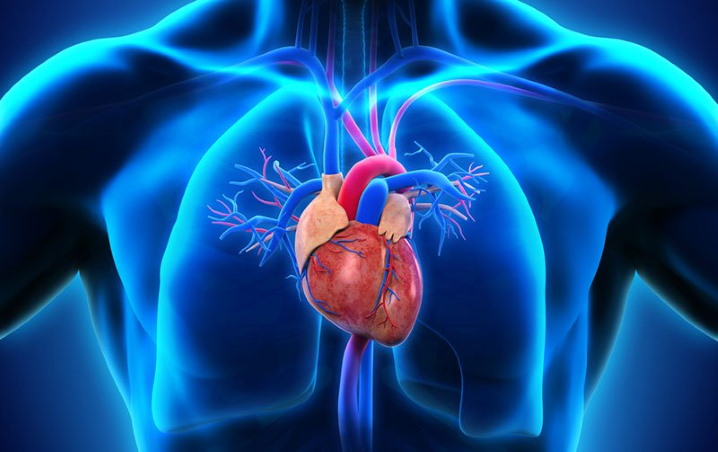
Cardiology is a vital branch of medicine that deals with the study and treatment of heart-related diseases and disorders. The heart, as the central organ in the cardiovascular system, is crucial for sustaining life by pumping blood throughout the body. When it malfunctions, it can lead to serious health complications. Given the prevalence of cardiovascular diseases worldwide, cardiology plays a critical role in diagnosing, treating, and preventing these conditions. This article delves into the significance of cardiology, common heart diseases, advancements in the field, and the growing importance of heart health awareness.

The Importance of the Heart

The heart is a powerful organ, responsible for pumping oxygen-rich blood throughout the body to nourish cells and tissues. It’s composed of four chambers: the left and right atria (upper chambers) and the left and right ventricles (lower chambers). These chambers work together to ensure that blood flows in one direction, aided by four valves that prevent backflow.

The heart's efficiency is vital for maintaining optimal health. When the heart is not functioning properly due to a disease or disorder, it can affect the entire body, leading to symptoms like fatigue, shortness of breath, and chest pain. Cardiology is the medical specialty that focuses on diagnosing and treating these heart issues, ensuring the heart’s function remains intact and optimal.

Common Heart Diseases and Disorders

Several heart conditions are prevalent worldwide, each with unique symptoms, risk factors, and treatment protocols. Understanding these diseases is crucial for prevention and early intervention.

  1. Coronary Artery Disease (CAD): Coronary artery disease is one of the most common heart diseases, characterized by the narrowing or blockage of the coronary arteries, which supply blood to the heart muscle. This condition is primarily caused by a build-up of plaque (fatty deposits) within the arteries, reducing blood flow to the heart. If left untreated, CAD can lead to chest pain (angina), heart attacks, and heart failure. Treatment often includes lifestyle changes, medications, angioplasty, or coronary artery bypass surgery.

  2. Heart Failure: Heart failure occurs when the heart becomes unable to pump blood effectively, leading to insufficient blood flow to meet the body’s needs. This condition can result from a variety of causes, such as heart attacks, high blood pressure, or heart valve disease. Patients may experience fatigue, fluid retention, and shortness of breath. While heart failure is a chronic condition, it can be managed with medications, lifestyle changes, and in some cases, heart transplants or mechanical heart devices.

  3. Arrhythmias: Arrhythmias refer to abnormal heart rhythms, where the heart beats too quickly, too slowly, or irregularly. This disorder can lead to complications like dizziness, palpitations, and even sudden cardiac arrest. Some common arrhythmias include atrial fibrillation, ventricular fibrillation, and bradycardia. Management often involves medications, pacemakers, or catheter ablation to restore a normal rhythm.

  4. Valvular Heart Disease: The heart contains four valves that control the flow of blood through its chambers. When one or more of these valves becomes damaged or diseased, it can lead to conditions like stenosis (narrowing) or regurgitation (leakage). These conditions can cause symptoms such as fatigue, swelling, and shortness of breath. In severe cases, valve repair or replacement surgery is necessary.

  5. Hypertension (High Blood Pressure): High blood pressure, or hypertension, is one of the most significant risk factors for heart disease. It puts extra strain on the heart and blood vessels, leading to conditions such as stroke, heart attack, and kidney damage. Cardiologists help manage hypertension through medication, dietary changes, and exercise.

  6. Congenital Heart Defects: Some individuals are born with structural problems in their hearts, which can affect how blood flows through the heart. These congenital heart defects may require early intervention, including surgeries or other medical treatments, to help the heart function properly. Pediatric cardiologists are specially trained to diagnose and treat heart defects in children.

The Role of Cardiologists

Cardiologists are specialized physicians who diagnose and treat heart diseases and disorders. Their expertise covers a wide range of heart-related conditions, and their primary goal is to help patients maintain or regain optimal heart health. Cardiologists typically:

  • Diagnose Heart Conditions: Cardiologists use a variety of diagnostic tools to evaluate heart health, including electrocardiograms (ECG), echocardiograms, stress tests, blood tests, and coronary angiograms. These tests help identify heart abnormalities and assess their severity.

  • Provide Treatment Plans: Once a diagnosis is made, cardiologists develop individualized treatment plans tailored to the patient's specific condition. This may involve prescribing medications, recommending lifestyle changes, or advising on surgery or other interventions.

  • Perform Procedures: Cardiologists, particularly interventional cardiologists, perform procedures such as angioplasty, stent placement, and catheterization to treat conditions like coronary artery disease and valvular heart disease. They may also implant pacemakers or defibrillators to correct abnormal heart rhythms.

  • Prevent Heart Disease: Cardiologists emphasize the importance of preventing heart disease through regular screenings, early detection, and lifestyle modifications. By addressing risk factors such as obesity, smoking, and stress, cardiologists aim to reduce the likelihood of heart disease and its complications.

Innovations in 心臟病

The field of cardiology has seen significant advancements over the past few decades. These innovations have drastically improved diagnosis, treatment, and patient outcomes. Some of the most notable advancements include:

  1. Minimally Invasive Procedures: The rise of minimally invasive procedures has revolutionized the treatment of heart disease. Techniques such as coronary angioplasty, in which a balloon is used to open blocked arteries, and transcatheter valve replacement (TAVR) for valve diseases have allowed patients to recover faster and with less risk than traditional surgeries.

  2. Advanced Imaging Technology: Cardiac imaging technologies, including echocardiograms, magnetic resonance imaging (MRI), and computerized tomography (CT) scans, have provided cardiologists with detailed views of the heart’s structure and function. These imaging techniques allow for earlier and more accurate diagnoses, leading to more effective treatments.

  3. Wearable Technology: The advent of wearable devices, such as smartwatches and fitness trackers, has empowered individuals to monitor their heart health continuously. These devices can track heart rate, detect irregular rhythms, and even provide data to physicians, enabling proactive care and early intervention.

  4. Artificial Intelligence (AI): AI is transforming cardiology by analyzing large datasets and medical images to identify patterns that may be missed by the human eye. AI-powered algorithms are being used for risk assessment, predictive analytics, and to enhance decision-making in the treatment of heart diseases.

  5. Gene Therapy and Stem Cells: Research in gene therapy and stem cells holds great promise for treating heart diseases in the future. Gene therapy could help correct genetic defects that lead to heart disease, while stem cells may have the potential to regenerate damaged heart tissue, potentially eliminating the need for heart transplants.

The Importance of Preventive Cardiology

Prevention is often the best way to manage heart health. Cardiologists are increasingly focused on preventive cardiology, which involves identifying risk factors for heart disease and taking steps to reduce the likelihood of developing serious heart conditions.

Some key preventive strategies include:

  • Exercise: Cardiologists recommend regular physical activity, such as aerobic exercises, to keep the heart healthy. Exercise strengthens the heart muscle, improves circulation, and reduces the risk of heart disease.

  • Healthy Diet: A balanced diet, rich in fruits, vegetables, whole grains, and lean proteins, can help lower cholesterol, reduce blood pressure, and maintain a healthy weight.

  • Quit Smoking: Smoking is a major risk factor for heart disease. Cardiologists encourage patients to quit smoking to reduce their risk of heart attacks, strokes, and other cardiovascular diseases.

  • Stress Management: Chronic stress can take a toll on the heart. Cardiologists advise techniques like mindfulness, meditation, and relaxation exercises to manage stress and reduce its impact on heart health.

  • Regular Check-Ups: Routine screenings for blood pressure, cholesterol, and blood sugar are essential for detecting heart disease early. Cardiologists recommend regular check-ups, especially for those with a family history of heart disease or other risk factors.

Conclusion

Cardiology is a dynamic and essential field of medicine that plays a central role in diagnosing, treating, and preventing heart diseases. As heart disease remains one of the leading causes of death globally, cardiologists are continuously advancing the field through innovative treatments and prevention strategies. With a focus on early diagnosis, patient education, and lifestyle changes, cardiologists are helping individuals live longer, healthier lives. By prioritizing heart health through regular check-ups, exercise, a healthy diet, and stress management, we can work together to reduce the burden of heart disease and improve overall cardiovascular well-being.