全面解析Microsoft Teams Download下载方式与远程办公协作优势的完整指南


随着数字化办公不断普及,越来越多企业、学校以及个人用户开始依赖高效的在线沟通平台完成日常工作与学习任务。在众多协作软件中,Microsoft Teams 凭借稳定的视频会议功能、文件共享能力以及强大的团队协作系统,已经成为全球广泛使用的办公工具之一。很多用户在寻找 Microsoft Teams Download 下载方法时,不仅希望安装过程简单,还希望了解软件的实际用途、系统兼容性以及使用体验。

Microsoft Teams 最初主要面向企业办公环境,但随着远程办公与在线教育需求快速增长,它已经扩展到个人用户、学生以及自由职业者群体。通过该平台,用户可以轻松创建会议、发送即时消息、共享屏幕以及在线编辑文档。尤其对于跨地区团队来说,Teams 能够显著提升沟通效率,减少传统邮件往来的复杂性。

在进行 Microsoft Teams Download 下载之前,用户通常需要确认自己的设备系统。目前 Teams 支持 Windows、macOS、Android 以及 iOS 等多个平台。无论是电脑用户还是手机用户,都能够根据设备类型选择适合的版本。对于 Windows 用户而言,下载安装过程通常非常快速,只需几分钟即可完成部署。移动端用户则可以通过应用商店直接获取软件,实现随时随地办公。

很多企业之所以选择 Microsoft Teams,一个重要原因在于其与 Microsoft 365 生态系统深度整合。用户可以在 Teams 内直接打开 Word、Excel 与 PowerPoint 文件,无需频繁切换软件。这种集成化办公体验不仅节省时间,还能提升团队协同效率。对于经常需要多人编辑文档的团队来说,这种实时同步功能尤其重要。

视频会议功能也是 Microsoft Teams 的核心亮点之一。相比传统会议方式,Teams 支持高清语音、多人视频会议以及会议录制功能。无论是线上培训、远程面试还是国际商务会议,都能够通过 Teams 快速完成。此外,背景虚化、实时字幕以及会议聊天功能,也进一步增强了用户体验,让远程沟通更加自然流畅。

在安全性方面,Microsoft Teams 也拥有较高口碑。微软长期以来非常重视企业数据安全,因此 Teams 提供数据加密、多重身份验证以及管理员权限管理等功能。对于需要处理敏感信息的大型企业而言,这些安全措施能够有效降低数据泄露风险,同时保证团队沟通更加安全稳定。

许多用户在搜索 Microsoft Teams Download 时,也会关注软件是否占用大量系统资源。事实上,微软近年来持续优化 Teams 的性能表现,新版本在启动速度、内存占用以及运行稳定性方面都有明显提升。即使是在普通办公电脑上,也能够保持较为流畅的使用体验。

除了企业办公外,教育领域同样广泛使用 Microsoft Teams。教师可以通过 Teams 创建在线课堂、上传学习资料以及安排课程作业,学生则能够通过平台参与讨论、提交文件以及进行在线考试。特别是在远程教育环境下,Teams 已经成为许多学校的重要教学工具。

总体来看,Microsoft Teams Download 下载需求不断增长,反映出全球数字化协作趋势正在持续加速。无论是企业办公、在线教育还是个人远程协作,Microsoft teams 网页版 登入 都能够提供稳定、高效且安全的使用体验。对于希望提升沟通效率与团队协作能力的用户来说,选择 Microsoft Teams 无疑是现代数字办公环境中的重要一步。

Leave a Reply

Your email address will not be published. Required fields are marked *

Related Post

Understanding The Different Types Of Slot Gambling Casino Gambling Machines And Their FeaturesUnderstanding The Different Types Of Slot Gambling Casino Gambling Machines And Their Features

When it comes to exploring the delicious realm of slot machines, you’ve got a variety of options that can turn your gambling moments into something specialised. You might not realize just how different these machines can be from the simplicity of classic slots to the immersive go through of 3D and proprietary versions. Each type comes with its own unusual features and potential benefits, qualification it worthwhile to sympathize what sets them apart. So, what makes one simple machine more likable for you than another? Let’s break off it down further.

Classic Slots

Classic slots have been a staple in casinos since their origination in the late 19th . These painting machines sport a simpleton plan, typically boast three reels and a limited total of paylines. When you set about a classic slot, you’ll notice the familiar symbols like cherries, bars, and favourable parliament. These dateless elements make the gameplay feel unhappy and unequivocal.

Playing slots is easy and doesn’t require advanced strategies. You simply tuck your coins, pull the prise or weight-lift the button, and hope for twinned symbols across the payline. With few options, you can focus on more on the excitement of spinning the reels rather than complex game mechanics.

One of the highlights of classic slots is their simpleness, allowing you to a faster gambling undergo. Additionally, many of these machines volunteer higher payout percentages than their Bodoni font counterparts, so there’s potency for solid state returns on your bets.

If you appreciate unambiguous gaming and traditional themes, you’ll find slots to be a hearty selection.

Whether you’re new to gambling or a seasoned player, slots supply an authentic taste of what makes the casino experience thrilling.

Video Slots

Since their emergence in the 1990s, video recording slots have revolutionized the worldly concern of gambling casino play. You’ve likely noticed their spirited art and attractive themes that draw you in from the second you step up to the simple machine.

Unlike classic slots, which often sport simpleton symbols and limited paylines, video recording slots offer a range of options and exciting gameplay.

When you play video recording slots, you can double paylines, often ranging from a single line to hundreds of them. These supernumerary paylines step-up your chances of victorious, plus they often come with moral force features, including incentive rounds, wilds, and disperse symbols.

The interactive make every spin a unique go through.

You’ll appreciate the various themes, too whether you’re into stake, fantasize, or movies, there’s likely a video slot that suits your taste. Many machines also allow you to customise your bet size, gift you control over your play see.

When you hit that spin button, video slots cater not just wins but also entertainment through their animations and vocalise personal effects. With all these features, it’s no wonder video recording slots stay pop among players like you.

Progressive Jackpot Slots

When you think about high-stakes thrills in the gambling casino, continuous tense jackpot slots often come to mind. These machines offer the to win life-changing sums, as a allot of every bet contributes to a growing jackpot.

You’ll typically find continuous tense slots coupled across aggregate machines or even throughout different casinos, flaring the potentiality treasure significantly.

To play, simply insert your money and pick out your bet size. If you hit the needful combination, you may win not just the fixture payout but a partake in of the solid pot. These games sport various themes and gameplay mechanics, so you’ll likely find one that suits your preferences.

What’s particularly exciting is that the kitty keeps climbing until someone wins it. This substance that while your odds of successful might be lour compared to standard slots, the potency reward can make it worth the hazard.

Every spin brings the tickle of possibly snagging that huge kitty, making imperfect slots a front-runner for both unplanned players and high rollers likewise.

Just think of to play responsibly, and the excitement that comes with chasing those big wins. Happy spinning

3D Slots

D slots, often referred to as video recording slot gacor gampang menang s, have taken the play earth by surprise, thanks to their spirited art and engaging themes. As a player, you’ll mark they offer a more synergistic go through compared to orthodox slot machines.

You’ll find a wide variety of themes, from jeopardize to fantasy, which can keep your gaming go through recently and stimulating.

One of the standout features of D slots is the range of incentive rounds and mini-games. When you hit specific combinations, these features can be triggered, enhancing your chances of victorious.

You might also trip upon innovations like cascading reels or expanding wilds, which create even more opportunities for big payouts.

Additionally, many D slots come with changeable paylines, allowing you to customise your sporting scheme. You can take how many lines to wager on, which helps finagle your bankroll throughout your gaming sitting.

Plus, with varying unpredictability levels, you can opt for high-risk, high-reward games or low-risk options for steadier gameplay.

Branded Slots

Branded slots are among the most popular choices for players looking to immerse themselves in their favourite movies, TV shows, or picture characters. These machines often sport stunning graphics, engaging soundtracks, and bonus features that shine the germ stuff, making your gambling experience feel like part of the litigate.

You’ll find that branded slots not only volunteer exhilaration but also a feel of nostalgia and to your favorite amusement.

When playing proprietary slots, you can expect:

  • Thematic Graphics: Expect visuals that closely match the franchise, enhancing your connection to the .
  • Bonus Rounds: Enjoy specialized features that may include mini-games, additive free spins, or unusual animations tied to the mar.
  • Familiar Soundtracks: Revel in music and sounds that resonate with your favourite scenes or characters, intensifying the standard pressure.

These elements unite to make a unforgettable gambling experience.

Conclusion

In conclusion, exploring the different types of slot machines can raise your gaming see, much like discovering concealed treasures on a map. Each machine from classic slots with their nostalgic charm to moral force video recording slots and stimulating imperfect tense jackpots offers something unique. By understanding these options, you can find the gameplay that suits you best and keeps the excitement flow. So, dive into the world of slots and enjoy every spin you take


A Guide to Tensile Membrane Structures: Materials, Design, and ApplicationsA Guide to Tensile Membrane Structures: Materials, Design, and Applications

Tensile membrane structures are a fascinating field of architecture and engineering that have gained popularity for their unique aesthetics, versatility, and strength. These structures utilize the properties of tensile forces and membranes to create lightweight, efficient, and visually striking designs. From sports arenas to shade canopies, tensile membrane structures are increasingly seen in modern construction due to their sustainable benefits and flexibility. This article provides a comprehensive guide to tensile membrane structures, covering materials, design principles, and diverse applications.

Materials Used in Tensile Membrane Structures

The core material used in tensile membrane structures is typically a fabric or membrane that is able to withstand significant tension without tearing. These materials are selected for their strength, durability, and resistance to environmental elements. The most commonly used materials include:

  1. PTFE (Polytetrafluoroethylene): This material, often used in combination with fiberglass, is highly durable and resistant to UV rays and extreme weather conditions. PTFE-coated fiberglass fabrics are widely used for their long lifespan, often exceeding 25 years.

  2. PVC (Polyvinyl Chloride): PVC-coated polyester fabrics are another popular choice for tensile structures. These fabrics are cost-effective, resistant to water and UV degradation, and can be easily welded to create seamless surfaces.

  3. ETFE (Ethylene Tetrafluoroethylene): A newer material, ETFE is lightweight and transparent, allowing for natural light to pass through, making it ideal for greenhouses and other environments where sunlight is essential. ETFE also has a high resistance to chemicals and weathering.

  4. Polyester Mesh: Known for its flexibility, polyester mesh is commonly used in smaller structures or temporary installations. It offers a balance between strength and weight, making it a practical option for canopies and shade sails.

These materials are typically coated to enhance their durability and resistance to environmental factors like UV radiation, rain, and dirt accumulation.

Design Principles of Tensile Membrane Structures

Tensile membrane structures are designed to work under tension rather than compression, with the fabric creating a dynamic interplay of forces. The design process involves several key principles:

  1. Tension Distribution: The structure is designed so that the fabric remains in a constant state of tension. The force applied to the membrane must be carefully calculated to ensure the fabric remains taut and does not distort under pressure.

  2. Form-Finding: The process of form-finding involves determining the most efficient shape for the membrane. This is typically done using software that simulates how the membrane will behave under load, factoring in wind, rain, and snow. Common forms include hyperbolic paraboloids, conical, and domed shapes.

  3. Structural Support: While the membrane itself bears the majority of the load, goat hair tents Saudi Arabia typically incorporate a framework of masts, cables, or arches to provide the necessary support. These components work together to ensure the structure remains stable and secure.

  4. Sustainability: One of the significant advantages of tensile membrane structures is their energy efficiency. Due to their ability to filter natural light and provide shade, these structures reduce the need for artificial lighting and cooling, making them environmentally friendly.

Applications of Tensile Membrane Structures

Tensile membrane structures are incredibly versatile and can be applied in a variety of settings:

  1. Sports Facilities: Stadiums and arenas often utilize tensile membranes to cover seating areas, providing shelter from the elements while offering an aesthetically appealing, lightweight solution. The retractable roofs of many modern stadiums, such as those seen in tennis and football arenas, use tensile membranes.

  2. Shade Structures: Tensile membranes are frequently used for outdoor shade solutions, including canopies, pergolas, and shade sails. These structures offer protection from the sun while maintaining an open, airy feel.

  3. Exhibition Spaces: Temporary tensile structures are ideal for exhibitions, fairs, and outdoor events. They can be set up quickly, providing large, open areas without the need for extensive support frameworks.

  4. Transportation Terminals: Tensile membranes are commonly used in bus and train stations for their ability to cover large areas efficiently while providing a modern aesthetic. Their flexibility in design allows them to blend seamlessly with surrounding architecture.

  5. Greenhouses: The transparency of materials like ETFE makes tensile membrane structures ideal for greenhouse roofs, where the structure needs to let in natural sunlight while providing protection from the elements.

Conclusion

Tensile membrane structures represent a unique intersection of art, engineering, and sustainability. By combining advanced materials, thoughtful design, and innovative applications, these structures offer both functional and aesthetic benefits in modern architecture. Whether in sports venues, exhibition halls, or outdoor shade solutions, tensile membranes will continue to play a significant role in shaping the future of design and construction.

20 PRO FACTS FOR PICKING EMAIL LIST SELLERS20 PRO FACTS FOR PICKING EMAIL LIST SELLERS

What Should I Consider Before Buying An Email List Of Hematologists?
When purchasing a hematologist email list, it’s essential to be aware of a few key aspects to ensure that the list you purchase is reliable, accurate legal compliant, and appropriate to your marketing goals. Here are some key considerations. Data Accuracy & Quality

Source of information: Check that the data provider is using trustworthy sources such as professional directories, databases or verified opt-ins made by Hematologists. The precision with which contacts were obtained will be a factor in how good the list is.
Updates and verification: Learn the method used by the service provider to verify information. Email addresses must be verified to remove any invalid or inactive email addresses. Since healthcare professionals are likely to move between positions and institutions, it is vital that the list is regularly kept up to date.
Segmentation by Specialization List must be specific to hematologists. If you can, divide the list further, for example by subspecialty or location, years of practice, or connection to hospitals. Segmented lists let you better target your marketing efforts.

2. Legal Regulations

Data Privacy Laws – Ensure that the list is compliant to data privacy laws such as the General Data Protection Regulation in Europe and the California Consumer Privacy Act in the U.S. That means that email addresses need to be gathered with necessary consent.
CANSPAM Act: If are located in the U.S.A., make sure your list conforms to the CANSPAM Act which governs all commercial emails. Failure to comply could lead to penalties as well as flagging your emails as spam.
Consent to Opt-In The list should comprise only those hematologists who have a specific opt-in to receive emails from third parties. Not sending emails to those who don’t have consented could cause poor engagement as well as legal problems.

3. Provider Reputation

Find out the reputation of your chosen provider. To confirm that the organization is trustworthy, search for reviews, testimonials, and case studies. A reliable company with a solid track record is more likely to provide high-quality, reliable data.
Transparency: Choose a service who is transparent about the data source. The providers who are unclear or unclear about the methods they use to collect data should be avoided.
Customer Support: Picking a company with good customer service is vital. You may need assistance with technical issues, list customisation, or concerns about compliance. A solid customer support can make a big difference.

4. Costs and Return on Investment (ROI).

Pricing Model: Take into consideration the pricing structure offered, whether pay-per-contact, flat fee, or subscription-based. Be sure your pricing aligns to the potential ROI. Also, balance the quality of your list and its quantity with your marketing budget.
Refund or Replacement Policy: A reputable supplier will offer a return or replacement policy in the event of invalid or out of date email addresses that are not valid or outdated. Be sure to read the entire conditions and terms of the policy before making any purchase.
Value for Money: Check the features on the list including segmentation options and the provider’s guarantee of accuracy for data, versus the price. The list with the lowest price may not necessarily provide the best value if the quality of the data is not great.

5. Ownership of Data and Usage

Multiple Use: Be aware of the rules of use applicable to the email list. Understanding the rules of use is important. Certain email providers will allow only you to use their lists for one campaign. Others may give the full ownership of the list and unlimited usage rights.
Exclusive vs. Shared Lists: Determine if this email list is only yours to keep or shared with other people. Exclusive lists typically result in higher engagement rates because the list members are less likely to receive email marketing from other sources.

6. Integration and Data Format

Integrity with CRM and Email Tools: Ensure that your email list is easily integrated into your CRM or email marketing platform. It is important that the list is available in standard formats, such as CSV and Excel for ease of integration.
Simple to Use: See how easy the list can be managed. Lists that are difficult to sort or manage could reduce the effectiveness of your campaign.

7. Ethical considerations

Relevance to Hematologists Consider ensuring that the email you send out is appropriate to hematologists. If you send them content that doesn’t align with their expertise could result in poor engagement, which could negatively impact the image of your business.
The sending of too many emails could be viewed as spam. If you send out too many emails, it could harm the image of the sender.

The final sentence of the article is:

The purchase of a list of hematologists can be a powerful tool for targeted marketing. But, it should be handled with care. To ensure that you are getting a list of high quality and accuracy, you should focus on the quality of the data and the compliance with privacy laws, and the track record and reputation of the provider. The importance of ensuring compliance with the law, ethical marketing and segmentation will allow you to maximise your profits while maintaining your brand’s image. Follow the recommended hematologists email list for blog tips.

Consider These 10 Factors When You Are Purchasing Oil And Natural Gas Email List.
If you’re looking to buy an email database for the oil industry, there are a few factors to take into consideration to ensure the database is legal and of top quality. Here are the top 10 important things to look at.
1. Relevance of Target Audience
Industry Focus: Make sure the list is targeted at the industry of oil and gas. Include professionals from the oil and gas industry, including geologists, engineers operators managers, decision makers as well as upstream, midstream and downstream operators must be included on a properly-segregated mailing lists.
Job Titles and Roles Seek out a list of job titles and roles of the top key decision makers (executives, managers, engineers, etc.) You can also target specific companies.
2. Source of list and Reputation of vendor
Reputable Providers – Only purchase email lists from providers who are reliable, trustworthy and use the highest standards when collecting data. Avoid sources that are of doubtful origin as they can lead to poor quality information or even legal problems.
Data Quality: Testimonials or reviews are used to determine the quality and reliability of the list.
3. Data Accuracy and Freshness
Data Age : The database must be updated with the latest contact details. Oil and gas companies frequently undergo staff changes, and outdated contacts could cause an excessive bounce rate.
Verification Process: Ensure the vendor regularly verifies and updates their list of contacts to get rid of invalid or non-responsive contact.
4. Compliance with Regulations
Legal Compliance. Make sure your list is compliant local and internationally with laws, such as GDPR or CAN-SPAM. These regulations govern the use of personal data. Infractions could lead to sanctions and legal risk.
Opt-in Process: Confirm that the email addresses on the list are gathered with proper consent, meaning they’ve chosen to be included in emails.
5. Segmentation of the Market and Customization
Custom Segmentation. A quality list provider must offer segmentation options according to specific factors like size of the company or location, as well as job role.
Custom Filters Based on the goals of your campaign create a custom list according to the criteria you want to meet, such as geographical area, business size or particular requirements.
6. Deliverability Rate
High Delivery: A quality email list will have high rates of deliverability (typically 95% or more). Low-quality lists often contain high bounce rates which could harm your sender’s reputation and your email marketing efforts.
Ask for the past data or metrics of deliverability to assess the quality of a list.
7. Volume in comparison to.
Quality over Quantity: Be sure your list is not just large in terms of size, but also specific and well-targeted. A smaller list of high quality could yield more results than a lengthy, generic one.
Engagement Metrics Prioritize engagement metrics above contacts. An engaged audience is more likely to respond.
8. Pricing and Cost structure
Transparent Pricing: Know the price structure of the list, regardless of whether it’s a one-time purchase or subscription-based. Beware of cheap lists as they might not offer value or high-quality.
Return on investment (ROI). Check the list price with the anticipated conversion rates to get an idea of ROI. Sometimes, paying more for a targeted list will be more economical over the long haul.
9. Privacy and security of information
Data Protection: Be sure that the provider has strong methods to protect your data. The list provider must ensure that all personal data is secure from unauthorized access.
Confidentiality: Confirm that the provider will not share or sell data. This is crucial in the event that you require security and confidentiality for your business.
10. Customer Service and Support after-sales
If you encounter any problems or need help with implementation, the vendor should provide regular customer support.
List Replacement Guarantee – In the event that there is a problem with the list (e.g. inaccurate data or poor deliverability) An excellent service will offer refunds or replacements.
You can be sure that the email list you purchase is effective, compliant and aligned with the business objectives of the oil and natural gas industry by considering these factors. Follow the top oil and gas industry email list for site info.

Casinos A World Of Sumptuousness And AmusementCasinos A World Of Sumptuousness And Amusement

Around the world, casinos have become substitutable with sumptuousness, jin, and entertainment. These glittering palaces of chance have captured the resource of millions of populate, offering the ultimate head for the hills from routine life. Let’s take a closer look at the captivating worldly concern of casinos and how they have evolved throughout chronicle.

The concept of gambling and games of chance dates back to antediluvian civilizations. The earliest bear witness of play can be derived to the Chinese, Greeks, and Romans, who played various games with dice, cards, and other implements. However, the Bodoni-day casino industry as we know it now, originated in 17th century Venice, Italy. Back then, the first official casino was called the”Ridotto” and was a gathering point for noblemen to socialise and place bets.

During the 19th century, casinos started to gain popularity in Europe, and soon unfold to the United States. In the early on days, casinos were associated with mislabeled activities and were often run by unionised crime syndicates. However, in the mid-20th century, Las Vegas emerged as the gaming capital of the earthly concern, with luxuriant casinos like the Flamingo, the Sands, and the Golden Nugget high the skyline.

Today, casinos can be found in almost every corner of the globe, with destinations like Macau, Monaco, and Singapore competitory with Las Vegas for the title of the ultimate gambling terminus. These Bodoni font-day casinos are not just about gaming; they volunteer a nail amusement experience with luxuriant hotels, top-notch restaurants, high-end shopping, and spendthrift shows.

One of the main reasons why populate are closed to casinos is the vibrate of gambling. The rush of adrenaline and the potential for big wins keep players climax back for more. Games like blackjack, toothed wheel, and musang win machines are nonclassical choices, but casinos also offer a wide variety show of other games that cater to different tastes and preferences.

Another factor in that makes casinos so appealing is the epicurean atmosphere. Most casinos are richly tinseled with chandeliers, marble floors, and gold accents, gift off an air of luxuriousness and lavishness. The undergo of being surrounded by nobility and pampering in the finer things in life is alluring to many people.

Besides the excitement and nobleness, casinos also put up significantly to the economy. They provide jobs and generate tax revenue for the politics through taxes. In addition, casinos pull a big add up of tourists, boosting the local anesthetic thriftiness and putting cities on the map as top travel destinations.

However, it’s not all flashiness and witch in the world of casinos. The industry has round-faced its fair partake in of unfavorable judgment, with concerns over trouble gambling and its effects on smart set. Casinos have also been accused of promoting a culture of surplusage and avaritia, with some populate losing everything they have due to gambling habituation.

In termination, casinos have come a long way from their chagrin beginnings as gathering places for noblemen. They have evolved into trillion-dollar enterprises that offer the last entertainment undergo. With the phylogenesis of engineering science, the casino manufacture is restrict to bear on ontogeny and adapting to meet the changing needs and desires of its patrons.

Love them or hate them, casinos are undeniably a John Roy Major part of our world, offering a glimpse into the worldly concern of opulence and entertainment that many people of. So the next time you visit a casino, think of to play responsibly and the eye-popping undergo that these establishments have to offer. Who knows, you might hit the jackpot and take home a life-changing sum of money

Understanding Pneumatic Components: The Heart of Compressed Air SystemsUnderstanding Pneumatic Components: The Heart of Compressed Air Systems


Pneumatic systems are a cornerstone of modern automation, providing the power to run a wide variety of tools and machines. From assembly lines to mining operations, compressed air is used extensively in industries worldwide. However, to truly appreciate the reliability and efficiency of these systems, one must understand the essential components that make them work. This article explores the key Fittings & Accessories that form the heart of compressed air systems, ensuring they function effectively and efficiently.

1. Compressor

The compressor is the primary component that generates compressed air. It works by taking in atmospheric air and compressing it to a higher pressure. Compressors come in various types, including reciprocating, rotary screw, and centrifugal compressors, each suited for different applications and levels of air demand. The compressor’s job is crucial because it determines the amount of air available to the system, influencing everything from system performance to energy efficiency.

2. Air Treatment Units

Before compressed air can be used in pneumatic systems, it needs to be cleaned and conditioned. Air treatment units, including filters, regulators, and lubricators (often grouped together as FRLs), play an essential role in this process.

  • Filters remove impurities like dust, water, and oil from the compressed air. These contaminants can damage sensitive components within the system, leading to inefficiency and costly repairs.

  • Regulators control the pressure of the air, ensuring that the system maintains a consistent and safe pressure level for various tools and equipment. Incorrect pressure can lead to malfunctioning tools or inefficiencies.

  • Lubricators add a controlled amount of oil into the air supply, which lubricates the moving parts of pneumatic tools and machinery, reducing wear and prolonging their lifespan.

Together, these components maintain the cleanliness, pressure, and lubrication of the air, ensuring the pneumatic system operates at peak efficiency.

3. Valves

Valves control the flow of air within a pneumatic system. They are used to direct the air to specific parts of the system, allowing operators to control the movement of tools and machinery. There are several types of valves, including:

  • Directional control valves, which regulate the direction of air flow.

  • Pressure relief valves, which prevent over-pressurization by releasing excess air.

  • Flow control valves, which manage the speed of air entering or exiting specific components.

Valves are vital for controlling the operation of various machines in a pneumatic system, ensuring they perform smoothly and efficiently.

4. Actuators

Actuators are the "muscles" of a pneumatic system. These components convert the energy from compressed air into mechanical motion. Pneumatic actuators come in two main types:

  • Cylinders are linear actuators that produce back-and-forth motion, often seen in machinery like presses, lifts, and conveyors.

  • Pneumatic motors provide rotary motion, commonly used in tools and machines requiring a spinning or rotating force.

Both types of actuators are crucial for performing tasks such as lifting, pushing, rotating, or gripping, which are common in industrial and manufacturing settings.

5. Pipes and Tubing

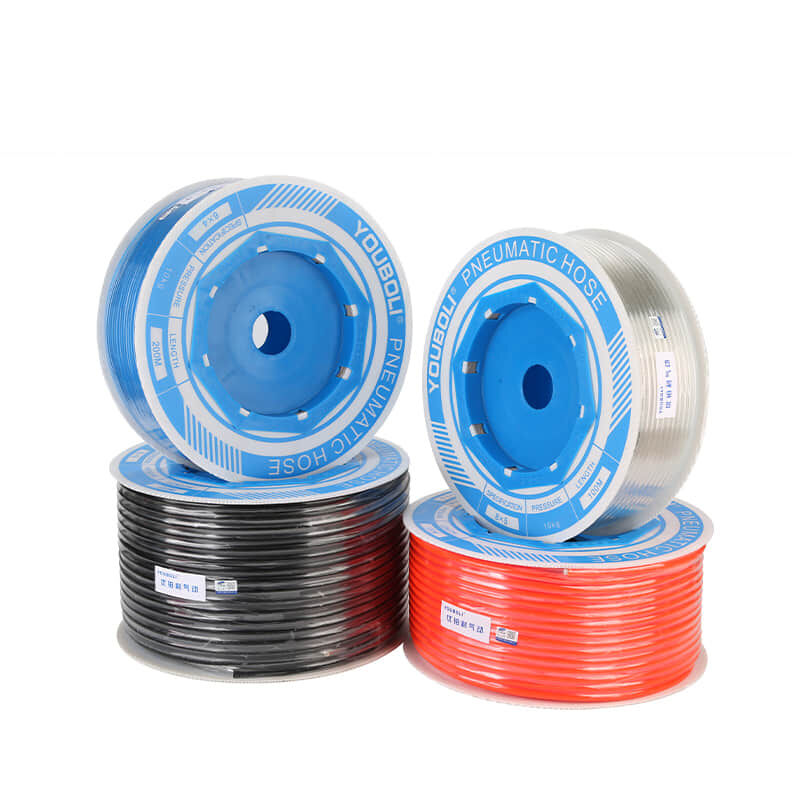
The pipes and tubing in a pneumatic system are responsible for transporting compressed air from one component to another. These lines need to be durable and resistant to the pressure and volume of air they carry. Pipes are often made of materials like steel, while flexible tubing might be made of materials like polyurethane or nylon. Properly sizing and installing pipes and tubing is essential to ensure air flows efficiently without leaks or blockages.

6. Air Storage Tanks

Air storage tanks, or receivers, are used to store compressed air for use at a later time. They act as buffers, providing a reserve of air that can be used when the demand exceeds the immediate supply from the compressor. These tanks help smooth out fluctuations in pressure and ensure a steady supply of air, even during peak demand periods.

7. Pressure Gauges

Pressure gauges are essential for monitoring and controlling the pressure within a pneumatic system. By displaying the pressure of the compressed air at various points in the system, they provide valuable information for operators to ensure everything is functioning correctly. Maintaining the proper pressure is vital for system efficiency and longevity, as both under- and over-pressurization can lead to issues such as poor performance or component damage.

Conclusion

Pneumatic systems are a critical part of countless industries, from manufacturing to automotive to healthcare. The components of these systems – compressors, air treatment units, valves, actuators, pipes, air storage tanks, and pressure gauges – work together to ensure that compressed air is delivered efficiently and reliably. Understanding these components and their roles helps engineers, operators, and technicians ensure the longevity, safety, and performance of compressed air systems, making pneumatic technology the unsung hero of modern automation.