
25 Top Suggestions For Picking Healthy Nutrition Supplement Websites

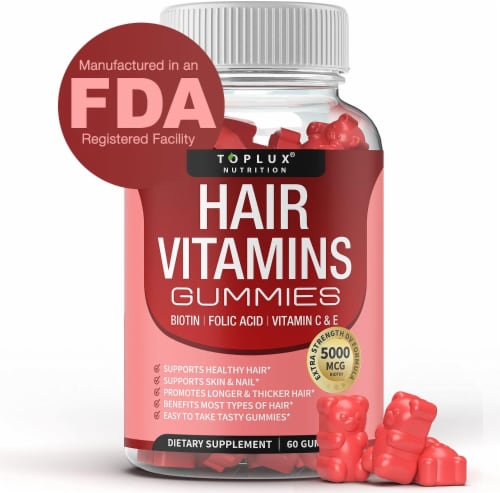
Top 25 Tips For Evaluating Toplux Healthy Nutrition Company
If you are researching Toplux Healthy Nutrition, here are 25 ideas to consider.
1. Company Overview
Learn about Toplux and its story as well as its mission and vision. Knowing the journey of the company and its fundamental values can help provide context for its current practices and product offerings.

2. Product range and categories
Explore Toplux's extensive range of products, including supplements, nutritional products, and vitamins. supplements. Examine the range of products and determine if it caters to specific health or diet goals.

3. Ingredient Transparency
Investigate the ingredients in Toplux products. The transparency of ingredient sources is essential for ensuring the confidence of consumers. Check for details on the source of ingredients and their processing.

4. Scientific Research and Evidence
Check any study or clinical research that prove the effectiveness of Toplux's product. The most credible companies usually offer evidence backing their health claims, which can enhance credibility and customer confidence.

5. Quality Assurance and Certificates
Check for any certifications Toplux is certified with, such as Good Manufacturing Practices Certification (GMP), NSF International and organic certifications. These certifications can be evidence that Toplux is dedicated to the highest standards of safety and quality in its products.

6. Customer Reviews and Testimonials
– Find out what customers are saying on different platforms, like social networks, health forums, or review websites. Reviewing the various reviews can help determine the product's efficiency and satisfaction of customers.

7. Compare Prices
Compare the pricing of Toplux with rivals in the healthy nutrition market. Knowing whether their products are reasonably priced relative to their effectiveness and quality is a way to determine their worth.

8. Marketing Strategies
Examine Toplux's methods for marketing which include marketing and branding. Effective marketing can reveal the degree of understanding a company has for its market and target audience.

9. Sustainability Practices
Examine Toplux's commitment to sustainability. It includes sourcing techniques, packaging materials and the impact on the environment. Companies that focus on sustainability typically attracted environmentally conscious and healthy customers.

10. Analysis by Competitor
Determine Toplux's main competitors in this industry. Analyze pricing, product offerings and the satisfaction of customers to determine Toplux's unique selling points and positioning.

11. Regulatory Compliance
– Make sure that Toplux adheres to all applicable health regulations, such as those issued by the FDA or equivalent bodies within their respective operational areas. To ensure the safety of products and assure of high-quality, compliance with the regulations is vital.

12. Tests and Safety Measures for Products
Make sure that Toplux test its products independently for safety. Knowing that the products have been tested by third-party labs can enhance confidence in the product by consumers.

13. Corporate Social Responsibility and Community Engagement
Discover Toplux's CSR initiatives and participation in community initiatives. Companies who are actively involved in social responsibility are more likely to strengthen relationships with their customers and improve their brand image.

14. Nutritional Labels, as well as Information
Examine the nutritional data offered by Toplux. Pay attention to serving size, calories count, and crucial nutrients. Labels that are clear and concise can be beneficial to consumer purchases.

15. Distribution of the Product and Availability
Find out where Toplux products can be purchased online or at health food stores or in supermarkets. The understanding of distribution networks will give insight into market reach.

16. Customer Service and Support
Find out about Toplux's customer service practices. This includes the response time and the availability of support. Excellent customer service is vital to address consumer complaints and helping build brand loyalty.

17. Return Policy and Refund
Read through Toplux's Return and Credit Policy to learn the options available in the event that a product is not up to expectations. A fair and transparent policy can enhance consumer confidence in purchasing.

18. Engagement and online presence
Review the presence of Toplux on the internet, including their website and social media platforms. Effective engagement strategies can improve brand awareness and customer loyalty by creating an effective online presence.

19. Educational Resources and Content
Look into whether Toplux has educational materials about nutrition and wellness. Businesses that place a high value on education for consumers demonstrate a commitment to supporting their customers beyond just selling products.

20. Partnerships
Check for any partnerships Toplux might have formed with health experts or nutritionists. These collaborations are an excellent way to boost credibility and gain more insights in product development.

21. Health Professionals Feedback
– Ask for opinions from experts within the field of health care on Toplux. Professional advice can assist you in getting more knowledge about the credibility of the company and the effectiveness of its products.

22. Innovation and Product Development
Research Toplux’s approach to product development. Find out information on new product launches, research and development efforts as well as their responsiveness to market developments.

23. Social Media Presence
Examine Toplux's social media engagement. Keep an eye out for community-building and interactive content initiatives, as well as regular posts. Engaging with customers can create loyalty and trust.

24. SWOT analysis
Conduct a SWOT analysis for Toplux Nutrition. This structured method can summarize your results and provide an overview of Toplux's position.

25. Future trends in Nutrition
Stay informed about the latest developments in the industry that might have an impact on Toplux. Knowing about trends like plant-based diets, personalized nutrition and health technology could assist in anticipating the company's future direction.

These suggestions can assist you to conduct a thorough research about Toplux Healthy Nutrition, giving an understanding of the company's practices, brand name and position in the market. You can gain a better understanding of Toplux's offerings and methods in the healthy food sector by examining these facets. Check out the top helpful site on healthy nutrition supplements for website examples including best detox supplements for liver, carb supplements, best blood glucose supplement, best cleanse products, best liver cleanse and detox, good supplements to take, supplements for immune system, nutritional dietary supplements, magnesium supplements for muscle cramps, vitamin supp and more. Don't forget to check out the homepage at https://topluxnutrition.com/ for more blog tips including best supplements to take, best weight loss product for women, liver detox and cleanse, apple cider vinegar dietary supplement, herbs supplements, strengthen immune system supplements, apple vinegar supplement, apple cider vinegar vitamins, magnesium glycinate for leg cramps, diet supplements for weight loss and more.
Leave a Reply

Your email address will not be published. Required fields are marked *

Related Post

Homemade Gelatin Drink for DietingHomemade Gelatin Drink for Dieting

If you’re looking for a guilt-free treat that fits into your dieting plan, homemade gelatin drinks might be the answer. They’re low in calories and high in protein, making them a satisfying choice. With just a few ingredients, you can whip up refreshing beverages that curb your cravings. But what’s the best way to customize these drinks to suit your taste? Let’s explore the benefits and easy recipes to enhance your weight loss journey.

Benefits of Gelatin Drinks for Weight Loss

When you’re trying to shed pounds, incorporating gelatin drinks into your diet can be a game-changer. These drinks are low in calories, making them a guilt-free treat that helps satisfy your cravings.

Gelatin’s high protein content keeps you feeling full longer, reducing the chances of snacking between meals. Plus, it supports muscle retention, which is crucial when you’re losing weight.

The unique texture of GELATIN TRICK RECIPE drinks can also add variety to your routine, making hydration more enjoyable. Additionally, gelatin may aid digestion and improve gut health, further supporting your weight loss journey.

With these benefits, gelatin drinks can be a smart addition to your diet, helping you stay on track while enjoying a delicious, nutritious option.

Easy Recipes for Homemade Gelatin Drinks

Creating your own gelatin drinks at home is simpler than you might think, and it allows you to control the ingredients for a healthier option.

Start with a basic recipe by mixing one packet of flavored gelatin with two cups of boiling water. Stir until the gelatin dissolves, then add two cups of cold water.

For a fruity twist, mix in fresh fruit like berries or citrus slices before chilling. If you prefer a creamy drink, consider adding coconut milk or yogurt to the mixture.

Pour into glasses or molds and refrigerate until set. You’ll have a delicious, low-calorie treat ready to enjoy anytime.

Experiment with different flavors and combinations to find your perfect gelatin drink!

Tips for Customizing Your Gelatin Beverages

Customizing your gelatin beverages can take your homemade creations to the next level. Start by experimenting with different flavors. Instead of just using fruit juices, try herbal teas, flavored sparkling water, or even coconut milk for a unique twist.

You can also enhance the nutritional value by adding ingredients like chia seeds, spirulina, or a scoop of protein powder. Adjust the sweetness to your liking by using natural sweeteners like honey, agave, or stevia.

If you want a refreshing touch, add fresh herbs like mint or basil. For added texture, toss in some diced fruit or berries before it sets. By mixing and matching these ingredients, you’ll create a personalized gelatin beverage that’s not only tasty but also tailored to your dietary needs.

Incorporating Gelatin Drinks Into Your Diet Plan

Incorporating gelatin drinks into your diet plan can be a delicious way to boost your hydration and nutrient intake. Start by replacing sugary beverages with homemade gelatin drinks, which are low in calories and high in protein. You can enjoy them as a refreshing snack or dessert, making it easier to stay on track with your dietary goals.

Try adding fruits or herbs to enhance the flavor and nutritional value. For a post-workout recovery, mix in some protein powder to help with muscle repair.

Remember to keep your portion sizes in check, as even healthy options can add up. By integrating these drinks into your daily routine, you’ll find it easier to maintain a balanced diet while enjoying tasty and satisfying beverages.

Conclusion

Incorporating homemade gelatin drinks into your diet can be a fun and satisfying way to curb cravings while staying on track with your weight loss goals. With endless flavor combinations and the added benefits of protein, these drinks provide variety and nutrition to your hydration routine. So, why not experiment with different fruits and herbs? By making these delicious beverages a part of your daily plan, you’ll enjoy a guilt-free treat that supports your healthy lifestyle.

              In Depth We Feed Raw Review Is This Raw Dog Food Brand Right for Your Pet               In Depth We Feed Raw Review Is This Raw Dog Food Brand Right for Your Pet 

Understanding the We Feed Raw Philosophy

In recent years, the trend toward feeding dogs a raw diet has gained significant momentum among pet owners seeking healthier alternatives to conventional kibble. Among the emerging brands, We Feed Raw review stands out for its commitment to providing high-quality, minimally processed raw dog foods. This company emphasizes transparency, ingredient quality, and nutritional balance, aiming to mirror a dog’s ancestral diet. By choosing a raw feeding approach, owners often aim to improve their pets’ digestion, coat health, and overall vitality.

The Composition and Quality of We Feed Raw Products

One of the primary concerns for pet owners exploring raw diets is ingredient sourcing and product safety. We Feed Raw prides itself on sourcing human-grade meats, organic vegetables, and natural supplements. Their products are free from preservatives, fillers, and artificial additives, ensuring that your dog receives a pure and nutrient-dense meal. The company provides detailed information about ingredient origins, giving consumers peace of mind regarding quality standards. The focus on whole, unprocessed ingredients aims to support optimal digestion and energy levels in dogs.

Product Range and Customization Options

We Feed Raw offers a diverse selection of raw meals tailored to different dog sizes, ages, and dietary needs. Their lineup includes options like raw patties, mince, and complete meals designed for puppies, seniors, or active dogs. Customization is a key feature; pet owners can choose from various protein sources such as beef, chicken, turkey, or lamb. This flexibility allows owners to cater to their pet’s preferences and dietary sensitivities. Additionally, the company provides pre-portioned packages, simplifying meal preparation and ensuring consistent feeding routines.

Feeding Guidelines and Nutritional Balance

Feeding a raw diet requires understanding proper portion sizes and nutritional balance. We Feed Raw supplies detailed guidelines to help pet owners determine appropriate serving amounts based on their dog’s weight and activity level. Their formulations are designed to deliver complete nutrition, including essential vitamins and minerals, without the need for supplementation. This is particularly appealing for owners who want the benefits of raw feeding but prefer a straightforward, balanced product. For those new to raw diets, it’s advisable to consult with a veterinarian to ensure all nutritional needs are met.

Pros and Cons of Choosing We Feed Raw

While many pet owners report positive outcomes from feeding raw, it’s important to weigh the benefits and potential challenges. Advantages include improved coat condition, increased energy, better dental health, and softer stool consistency. Conversely, some concerns involve the risk of bacterial contamination if not handled properly, and the necessity for careful storage and hygiene practices. We Feed Raw addresses these issues by providing freezing instructions and emphasizing safe handling. It’s also essential to consider the cost, as raw diets typically tend to be more expensive than commercial kibble or canned foods.

Customer Feedback and Overall Reputation

Online reviews and customer testimonials suggest that many pet owners are satisfied with We Feed Raw products, citing noticeable improvements in their dogs’ health and vitality. However, as with any specialized diet, results can vary based on individual pets and their unique needs. The brand’s emphasis on transparency and quality has helped build a positive reputation in the raw feeding community. To get a comprehensive understanding, it’s recommended to explore various We Feed Raw review sources, compare product options, and consider consulting with veterinary nutritionists.

Final Thoughts: Is We Feed Raw the Right Choice?

Deciding whether to incorporate raw feeding into your dog’s diet involves evaluating your pet’s health, lifestyle, and your ability to handle raw food safely. We Feed Raw offers a compelling option for owners seeking high-quality, nutritionally balanced raw dog food. Their commitment to ingredient transparency and product variety makes them a reputable choice within the raw pet food market. As always, before making significant dietary changes, consult your veterinarian to ensure that your dog’s specific needs are met. For those interested in exploring raw diets further, reading detailed We Feed Raw review articles can provide valuable insights and guidance.


당신의 공간이 최고의 힐링 리조트로 변하는 순간 출장마사지의 특권당신의 공간이 최고의 힐링 리조트로 변하는 순간 출장마사지의 특권

바쁜 일정, 끝없는 미팅, 쌓여가는 업무. 현대의 비즈니스맨에게 휴식은 사치처럼 느껴질 때가 많습니다. 헬스클럽은 갈 시간이 없고, 스파는 너무 먼 곳에만 있는 것 같죠. 하지만 이제 생각을 바꿔볼 때입니다. 휴식이 당신을 찾아오도록 할 수 있다는 것을 아시나요? 출장마사지 또는 출장안마 서비스는 바로 이런 필요에서 탄생한 현명한 해결책입니다. 단순히 몸의 피로를 풀어주는 것을 넘어, 소중한 시간을 효율적으로 관리하면서 최상의 휴식의 질을 누릴 수 있게 해줍니다. 호텔, 사무실, 심지어 자택에서도 전문적인 마사지 서비스를 받을 수 있는 이 혁신적인 서비스는 더 이상 선택이 아닌, 성공적인 비즈니스 라이프를 위한 필수 요소로 자리 잡고 있습니다.

출장 마사지, 왜 필요한가? 업무 효율성을 높이는 프로페셔널의 선택

출장 마사지의 필요성은 단순한 ‘피로 해소’를 넘어서는 전략적 차원에서 검토할 필요가 있습니다. 장시간 의자에 앉아 업무를 보는 사무직 근로자들에게는 목, 어깨, 허리의 통증이 흔히 발생합니다. 이러한 근육통과 긴장은 집중력 저하와 업무 효율성 감소로 직결됩니다. 또한, 중요한 프레젠테이션이나 협상을 앞둔 상황에서 쌓인 스트레스와 불안은 최고의 컨디션을 발휘하는 데 걸림돌이 됩니다. 출장안마 서비스는 이러한 문제들을 종합적으로 해결하는 데 목적을 둡니다. 전문 테라피스트가 당신의 공간으로 직접 방문하여 신체의 긴장을 풀어주고 스트레스를 감소시킴으로써, 신체적, 정신적 균형을 회복하도록 돕습니다. 이는 결과적으로 업무 생산성과 창의성 향상이라는 긍정적인 효과를 가져옵니다.

시간은 비즈니스에서 가장 소중한 자원입니다. 출장 마사지는 이동 시간을 절약해 준다는 점에서 현대인에게 가장 합리적인 휴식 방법입니다. 마사지샵으로 이동하고 대기하는 시간을 전부 자신을 위한 실제 휴식 시간으로 전환할 수 있습니다. 특히, 해외 출장이나 타지역에서의 장기 체류 시 익숙하지 않은 환경에서 마사지샵을 찾는 것은 쉽지 않은 일입니다. 하지만 출장 마사지 서비스를 이용하면 언어의 장벽이나 위치에 대한 불편함 없이, 안전하고 편안한 자신만의 공간에서 전문적인 케어를 받을 수 있습니다. 이처럼 출장 마사지는 신체 건강 관리와 시간 관리라는 두 마리 토끼를 모두 잡을 수 있는 효율적인 자기 관리의 한 형태라고 할 수 있습니다.

또한, 이 서비스는 개인적인 용도뿐만 아니라 기업의 복리후생 차원에서도 그 가치를 인정받고 있습니다. 회사는 직원들에게 출장마사지 서비스를 복지 혜택으로 제공함으로써 직원들의 건강을 증진하고 워라밸을 실현할 수 있습니다. 이는 곧 직원 만족도와 충성도를 높이고, 이직률을 낮추는 등 기업에 긍정적인 영향을 미칩니다. 결국, 출장 마사지는 개인의 건강과 기업의 성과를 연결하는 가치 있는 투자입니다.

나에게 꼭 맞는 서비스 고르기: 종류와 선택 가이드

출장 마사지 서비스에는 다양한 종류가 있으며, 각각의 기법과 목적이 다릅니다. 따라서 본인의 상태와 원하는 효과에 맞는 서비스를 선택하는 것이 매우 중요합니다. 가장 대표적인 서비스로는 스웨디시 마사지를 꼽을 수 있습니다. 이는 근육의 깊은 부분까지 이완시키는 것을 목표로 하며, 주로 장문의 스트로크와 근육을 압박하는 방식으로 진행됩니다. 전신의 혈액 순환을 촉진하고 심신의 스트레스를 해소하는 데 탁월한 효과가 있어 출장 마사지에서 가장 인기 있는 옵션 중 하나입니다.

반면, 만성적인 통증이나 특정 부위의 긴장이 심하다면 심부 조직 마사지를 고려해 볼 수 있습니다. 이 마사지는 근육의 딥 레이어와 근막을 대상으로 하여 만성적으로 뭉친 근육을 풀어주는 데 중점을 둡니다. 통증이 있을 수 있지만 효과적으로 근육 결림을 해소할 수 있습니다. 또한, 스포츠 마사지는 운동 선수뿐만 아니라 활발한 신체 활동을 하는 일반인에게도 적합합니다. 운동 전 부상 방지를 위해 근육을 준비하거나, 운동 후 피로 회복을 빠르게 하는 데 도움을 줍니다. 최근에는 이외에도 아로마테라피를 결합한 마사지나, 뜸이나 부항 등 한의학적 원리를 적용한 한방 안마 등 다양한 선택지가 늘어나고 있어 개인의 Needs에 더욱 정밀하게 대응할 수 있게 되었습니다.

서비스를 선택할 때는 반드시 신뢰할 수 있는 업체를 선정해야 합니다. 홈페이지나 앱을 통해 테라피스트의 자격증, 경력, 후기 등을 꼼꼼히 확인하는 것이 좋습니다. 또한, 예약 전 상담을 통해 본인의 건강 상태(임신, 최근 수술 여부, 특정 질환 등)와 원하는 압력, 집중하고 싶은 부위를 명확히 전달하는 것이 중요합니다. 전문적인 업체라면 고객의 Needs를 정확히 파악하고 그에 맞는 최적의 테라피스트를 매칭해 줄 것입니다. 좋은 출장 마사지 서비스는 단순한 기술이 아닌, 고객의 건강 상태를 이해하고 맞춤형 케어를 제공하는 종합적인 헬스 케어 솔루션이어야 합니다.

실제 사례로 보는 효과: 출장 마사지의 생생한 경험담

출장 마사지의 이론적 장점을 넘어, 실제로 서비스를 이용한 사람들의 경험은 그 효과를 입증해 줍니다. 예를 들어, 주 70시간 이상을 일하는 A씨(40세, 대기업 과장)는 만성적인 목과 어깨 결림以及 두통으로 고생하고 있었습니다. 병원 치료도 잠시 도움이 될 뿐, 근본적인 해결이 되지 않자 출장 마사지를 시도하게 되었습니다. 주 1회, 출장 후 호텔에서 진행한 90분 마사지는 단순히 통증을 완화시키는 것을 넘어 그의 수면의 질을 획기적으로 개선시켰습니다. “이동할 에너지조차 없었던 퇴근 후, 호텔에서 기다리기만 하면 되어 너무 편했습니다. 잠을 푹 자니 다음 날 업무 집중력이 눈에 띄게 좋아졌어요.”라는 후기는 출장 마사지가 단순한 힐링이 아닌 생활의 질 전반을 높이는 계기가 될 수 있음을 보여줍니다.

또 다른 사례로, 첫 해외 단독 출장을 맡은 B씨(29세, 여성)의 경험도 의미 있습니다. 낯선 환경과 언어, 높은 업무 부담으로 인한 불안감과 불면증이 컸습니다. 자신의 호텔 룸이라는 안전한 공간에서 한국어가 가능한 테라피스트를 통해 마사지를 받은 후, 극심했던 불안감이 크게 가라앉고 숙면을 취할 수 있게 되었습니다. “마사지를 받으며 테라피스트 분께 현지 꿀팁도 듣고,心理적으로 큰 지지가 되었어요. 다음 날 중요한 미팅을 자신 있게 진행할 수 있었습니다.” 이 사례는 출장 마사지가 신체적 치유와 동시에 心理적 안정감을 제공하는 중요한 역할을 할 수 있음을 시사합니다.

기업의 차원에서도 성공 사례는 존재합니다. 일부 선도적인 IT 기업들은 창의성 증진과 스트레스 관리 차원에서 주요 프로젝트 기간 동안 팀 단위로 출장 마사지 서비스를 제공하기도 합니다. 이는 직원들의 팀워크와 사기를 높이고, 극한의 업무 스트레스 속에서도 건강을 관리할 수 있도록 돕는 전략적 투자로 평가받고 있습니다. 이러한 실제 사례들은 출장 마사지가 개인과 조직의 성과를 높이는 데 실질적으로 기여할 수 있는 검증된 효용을 가지고 있음을 생생하게 증명하고 있습니다.

Blog

Reconciliation Health The Meaning Of Nutritionary SupplementsReconciliation Health The Meaning Of Nutritionary Supplements

In a compelling call for for overall health, health supplements have gained a becalm platform in our daily routines. Derived from food sources, these supplements embrace a variety of products engineered to augment our consumption. Covering an array of beneficial substances from Z-3 fat person acids to multi-vitamins, they are premeditated to fill biological process gaps and bolster bodily functions. However, it is requirement to comprehend their resolve, benefits, and use to in effect incorporate them into our modus vivendi.

Primarily, the looker of wellness supplements lies in their capability to complement our pattern diet. Notwithstanding our elbow grease to maintain a balanced diet, certain nutrients may stay unrealized due to several factors. A diet swayed towards certain types of foods, inaccessibility of diverse food sources, and unusual nutritional requirements such as during maternity or sickness are situations where memory support supplement South Africa supplements play a material part. They fill the organic process voids and control our body continues to work optimally.

Another significant vista to consider is the variety show of wellness supplements available. From prophylactic multivitamins to amino acids aimed to fuel musculus increment, the unrefined availableness is a testament to their structured role in health and eudaemonia. The pick of affix is stubborn by someone wellness goals; somebody aiming to tone immunity might opt for Vitamin C supplement, while a individual with a agitated schedule may consider multivitamins to maintain overall health. Hence, personal preferences and necessities dictate the natural selection of these supplements.

Consequently, comprehending the wellness benefits of supplements is equally noteworthy. They aid in overall natural object functions from maintaining spirit health to enhancing psychological feature public presentation, from sustaining bone health to fostering adequate vim levels. Few supplements like probiotics aid in healthy digestion whereas, supplements like Glucosamine assuage articulate pain. They work as an integral tool in preventative wellness care, serving the body to stand potentiality disease and . However, they are not supposed to supervene upon a equal diet but rather supplement it.

In termination, health supplements volunteer us a way to heighten and preserve our wellness. They present a method to meet our body s nutritionary requirements, augment health, and potentially ward against future wellness complications. While they do not supervene upon the need for a wholesome diet, they can compensate for what our fixture diet may lack. Thus, a balanced approach to nutrition, encompassing both a sound diet and pertinent supplements, can go a long way in promoting overall wellness.

How to make wellness peptides A practical guide for safe formulation and benefitsHow to make wellness peptides A practical guide for safe formulation and benefits

Lab scene illustrating wellness peptide research and formulation.

What Are Wellness Peptides and Why They Matter

Definition and scope

Peptides are short chains of amino acids—the building blocks of proteins—that serve as signaling molecules in the body. They orchestrate a wide range of physiological processes by binding to receptors, influencing gene expression, and modulating enzymatic activity. When we talk about wellness peptides, we are referring to a broad category of peptide-based products that are marketed to support various aspects of health and vitality outside of conventional prescription therapies. This includes peptide fragments, synthetic sequences, and bioactive peptides designed to influence skin health, sleep, mood, metabolism, immune function, cognitive clarity, gut integrity, and more. It is important to recognize that “wellness” as a category spans cosmetics, dietary supplements, and therapeutic exploration, and the level of evidence, regulation, and oversight varies accordingly. In practical terms, wellness peptides occupy a space between traditional nutraceuticals and prescription medicines, with many products positioned for enhancement of everyday well‑being rather than treatment of specific diseases.

The scope of wellness peptides is broad by design. Some peptides mimic natural human signaling pathways, while others are novel sequences engineered to target particular receptors or cellular processes. Because peptides can influence a multitude of downstream events—from inflammatory mediators to collagen synthesis to neuronal signaling—their potential impact on wellness is multifaceted. This breadth also means that consumers should approach peptide products with careful consideration of intended use, the strength of supporting evidence, and the regulatory status of the product category in their jurisdiction. The core idea is not to promise miracles, but to explain how specific peptide signals can support processes that contribute to a sense of well‑being when used responsibly and in appropriate contexts.

Role in overall wellness

Wellness peptides are frequently marketed as tools to support skin resilience, aging gracefully, recovery after physical activity, sleep quality, cognitive function, gut health, and immune balance. In skin care, certain peptides act as signaling cues that can stimulate collagen production, modulate inflammatory responses, or support barrier function, potentially contributing to firmer texture and healthier appearance. In the realm of physical performance and recovery, some peptides are described as regulators of muscle repair, ligament integrity, and energy metabolism, with a focus on faster recovery and reduced soreness when used as part of a broader health strategy. For sleep and mood, peptides that influence circadian signaling or neurotransmitter pathways are sometimes positioned to support restorative rest and daytime functioning. Gut health peptides may aim to strengthen barrier integrity or modulate immune interactions within the intestinal lumen, which can, in turn, have downstream effects on systemic health and well‑being.

It is essential to separate well-supported, evidence-based uses from aspirational claims. While there is legitimate interest in how peptide signals influence wellness, the strength and applicability of evidence vary considerably among different peptides. Consumers should look for credible sources, transparent reporting of study designs, and realistic expectations about outcomes. A prudent approach is to view wellness peptides as components of a broader lifestyle strategy—complementing nutrition, sleep, stress management, exercise, and medical guidance—not as stand-alone cures or replacement therapies.

Common forms and delivery methods

Wellness peptides can appear in several delivery formats, each with its own advantages and limitations. Topical peptides are commonly included in serums, creams, and patches aimed at skin health or localized effects. They offer convenience and a non-invasive route for delivering bioactive sequences to superficial tissues, though their penetration into deeper layers of the skin and their systemic impact can be variable.

Oral peptide products are widely available as capsules, tablets, powders, or lozenges. However, proteolytic enzymes in the digestive tract, gut barrier dynamics, and first-pass metabolism pose challenges to oral bioavailability for many peptides. This has driven interest in protective coatings, enteric formulations, or co‑delivery strategies designed to improve stability and absorption. It is important to note that not all oral peptides achieve significant systemic exposure, and claims of clinically meaningful effects should be evaluated with scientific scrutiny.

Injectable peptide products, including those prepared by licensed practitioners or through regulated channels, represent another delivery pathway. Subcutaneous or intramuscular administration can bypass gastrointestinal degradation and enable more predictable systemic exposure. Injectable formats often require medical oversight, dosing considerations, and thorough safety and quality controls. Nasal sprays and buccal/sublingual routes are also explored for certain peptides, leveraging mucosal absorption to favor rapid onset or convenient dosing without injections.

Across all forms, formulation strategies—such as protective carriers (liposomes or nanoemulsions), stabilizing excipients, and controlled-release designs—aim to preserve peptide integrity, enhance receptor engagement, and optimize the therapeutic or wellness impact. When evaluating products, look for transparency about the delivery method, evidence supporting the chosen route, and any relevant safety data. Always consider whether a given form aligns with your goals, lifestyle, and regulatory context.

Science Behind Peptide Wellness

Peptide mechanisms and targets

At a functional level, peptides exert their effects by interacting with specific cellular targets. The most common mechanism is receptor binding: a peptide sequence binds to a cell-surface receptor, triggering a cascade of intracellular signaling events that influence gene expression, enzyme activity, and metabolic pathways. Depending on the receptor and tissue, these signaling cascades can regulate processes such as collagen synthesis, antioxidant responses, inflammatory balance, neurochemical signaling, and cell turnover.

Beyond receptor engagement, peptides can serve as modulators of protein synthesis, angiogenesis, and matrix remodeling. Some sequences act as signaling mimetics that upregulate or downregulate particular genes associated with skin structure, tissue repair, immune surveillance, or metabolic homeostasis. The diversity of peptide sequences means there are many potential targets, including pathways involved in inflammation, oxidative stress, cellular senescence, and tissue regeneration. This broad mechanistic landscape is both an opportunity and a challenge: it enables targeted wellness strategies but also necessitates careful evaluation of evidence and potential off-target effects.

For consumers and practitioners, the key takeaway is that peptide activity is nuanced and context-dependent. The same peptide may have different outcomes depending on tissue type, dose, formulation, and interactions with other bioactive compounds. As such, wellness peptide programs should emphasize evidence-informed choices, personalized considerations, and monitoring of outcomes rather than one-size-fits-all recommendations.

Bioavailability and absorption

A central challenge in peptide-based wellness is achieving meaningful bioavailability. Peptides are susceptible to enzymatic degradation in the gut, liver, and systemic circulation. Even when a peptide survives initial digestion, its size, charge, and binding characteristics influence how efficiently it is absorbed across biological barriers. Because of these factors, the same peptide can exhibit robust activity when delivered via one route but limited systemic exposure when delivered via another.

Various strategies are employed to enhance stability and absorption. Protective formulations—such as encapsulation, complexation with lipids or polymers, and enteric coatings—help shield peptides from proteases until they reach their target site. Alternative delivery routes (nasal, buccal, transdermal) exploit mucosal surfaces or the skin barrier to bypass some degradative processes. In some cases, co-delivery with absorption enhancers or specific excipients is used to improve uptake; however, these approaches must be evaluated for safety and regulatory acceptability.

It is important to recognize that bioavailability is not the sole determinant of efficacy. Pharmacokinetic properties, including distribution, metabolism, and clearance, as well as the peptide’s intrinsic potency, dictate therapeutic or wellness outcomes. When reading product claims, look for labeling that clarifies the intended route of administration, expected onset of action, and the level of evidence supporting observed effects.

Safety, quality, and regulation

The safety profile of wellness peptides depends on a combination of factors: the chemical nature of the peptide, the dosage and route of administration, excipients used in the formulation, manufacturing quality, and the presence of contaminants or adulterants. In many jurisdictions, peptides intended for medical use are regulated as drugs and require rigorous clinical testing, manufacturing standards, and licensed supervision. When peptides are marketed as cosmetics, dietary supplements, or wellness aids, the regulatory framework can differ substantially and may impose fewer controls, which heightens the importance of quality assurance and honest labeling.

From a quality perspective, third-party verification, good manufacturing practice (GMP) compliance, and batch-level testing are critical. Independent testing—such as analytical methods that confirm identity, purity, and potency; microbiological safety; and absence of contaminants—helps ensure product integrity. Consumers should examine Certificates of Analysis (CoAs), manufacturing facility credentials, and clear information about storage and shelf life. Honest communication about what a peptide product can and cannot do—grounded in current science and regulatory realities—is a hallmark of responsible use.

Practical Guide to Making Wellness Peptides

Ingredients and sourcing

Practical wellness peptide work requires careful selection of ingredients and suppliers. The goal is to minimize risk while ensuring product quality, stability, and traceability. Start by assessing the peptide’s identity, purity, and compatibility with the chosen delivery system. Look for suppliers who provide comprehensive Certificates of Analysis, clear batch traceability, and documentation of raw material specifications. When evaluating excipients, verify compatibility with the target delivery route and stability under anticipated storage conditions.

In addition to the core peptide sequence, attention should be paid to excipients that assist with solubility, stability, and delivery. This can include buffering agents, stabilizers, emulsifiers, preservatives (where appropriate and compliant with regulations), and carrier materials that support the intended route of administration. It is essential to ensure that all ingredients are sourced from reputable, compliant manufacturers and that there is no undisclosed or questionable material in the finished product. For researchers and professionals seeking reputable suppliers, you can consult this resource to learn more about sourcing guidelines and quality considerations: make wellness peptides.

Beyond the peptide and excipients, consider the packaging and labeling. Protection from light, moisture, and temperature fluctuations is critical for maintaining stability. Packaging selections should be compatible with the administration route and storage environment, and labeling should include essential information such as identity, quantity, recommended use, storage conditions, and safety notes. When possible, select suppliers who provide stability data and product instructions aligned with recognized regulatory expectations in your region.

Step-by-step formulation basics

Rather than presenting a prescriptive laboratory protocol, this section offers a high-level framing of the formulation process intended for professionals operating within compliant settings. The steps outlined below reflect a responsible, safety-first approach that emphasizes planning, validation, and oversight.

  • Define the objective and target outcome. Clarify what wellness goal you are seeking to support (e.g., skin health, sleep quality, gut integrity) and identify the peptide class most plausibly related to that outcome based on available evidence.
  • Select delivery route and formulation strategy. Choose an administration route that aligns with the target tissue, lifestyle preferences, and regulatory constraints. Consider formulation approaches that address stability, bioavailability, and user experience.
  • Assess stability and compatibility. Evaluate how the peptide interacts with proposed excipients, buffers, pH ranges, and storage conditions. Use stability data or conduct appropriate testing to anticipate degradation pathways.
  • Plan quality controls from the outset. Define analytical methods and acceptance criteria for identity, purity, potency, and safety. Establish sampling plans and documentation practices early in development.
  • Ensure regulatory alignment. Confirm that the intended use and product category comply with local laws and guidelines. Prepare for labeling, claims substantiation, and consumer safety communications.

In practice, formulation work should be conducted by qualified personnel within regulated environments, with a clear separation between exploratory work and production processes. Documentation, traceability, and change control are essential components of a responsible formulation program. While this guide highlights conceptual steps, actual formulation activities must adhere to applicable regulations and professional standards.

Quality control and testing

Implementing robust quality control is essential to ensure that any wellness peptide product is safe, consistent, and accurately represented. Core quality-control elements typically include identity confirmation, purity assessment, potency determination, and residual or contaminant testing. Common analytical techniques used for peptide characterization include high-performance liquid chromatography (HPLC) for purity, mass spectrometry (MS) to verify molecular weight and sequence, and elemental analysis when relevant.

Microbiological safety testing is particularly important for products intended for ingestion or mucosal exposure. Endotoxin testing helps guard against pyrogenic responses, while sterility testing is critical for sterile formulations or injectable products. A comprehensive certificate of analysis (CoA) should accompany each batch, detailing all validated specifications, alongside storage recommendations and expiry dating. Third-party laboratories with expertise in peptide analytics can provide independent verification, which adds an important layer of credibility and consumer trust.

Documentation should extend beyond the batch level to include supplier certifications, traceability records, and manufacturing deviations, if any. A transparent quality-management system that covers supplier qualification, in-process controls, and post-market surveillance helps ensure ongoing product integrity and facilitates timely corrective actions if concerns arise.

Benefits and Considerations

Potential benefits and evidence

The potential benefits of wellness peptides span several domains, including dermatology, wound healing, metabolic regulation, sleep support, cognitive function, and immune balance. In dermatology, some peptide sequences have been studied for their roles in stimulating collagen synthesis, modulating matrix metalloproteinases, and promoting hydration and barrier function. In wound healing, certain peptides are explored for their influence on cellular migration, angiogenesis, and the extracellular matrix, which contribute to tissue repair. In the area of metabolic wellness, peptides that interact with signaling pathways involved in appetite, glucose regulation, and fat metabolism draw attention for potential supportive roles in weight management or metabolic health, though evidence tends to be variable and context-dependent.

It is important to differentiate between peptides with strong, replicated evidence in human studies and those with primarily preclinical or anecdotal data. In many wellness contexts, the overall body of evidence remains preliminary, and observed benefits may be modest or contingent on other lifestyle factors. Individuals should approach wellness peptides as part of a broader, evidence-informed wellness plan, with clear expectations and ongoing monitoring of outcomes.

Risks and side effects

As with any bioactive substances, wellness peptides carry potential risks. Local reactions at the administration site, allergic responses, and unintended immune modulation are considerations for injectable or mucosal delivery routes. Systemic effects may occur if peptides influence wide-ranging signaling networks or interact with concurrent medications. The risk profile can be influenced by the peptide’s sequence, purity, and presence of contaminants, underscoring the importance of rigorous quality control and regulatory compliance.

Other risks include variability in product quality due to inconsistent sourcing, mislabeling, or undisclosed excipients. Because regulations governing peptide products vary by jurisdiction, consumers should be cautious about unsubstantiated claims and seek products that provide transparent safety data, validated testing, and clear usage instructions. Pregnant or lactating individuals, people with autoimmune conditions, or those taking medications that affect immune or hormonal systems should consult qualified healthcare professionals before introducing peptide products into their regimen.

Ethical and legal considerations

Ethical practice in peptide wellness entails accurate representation of what products can realistically achieve, avoidance of misleading health claims, and respect for consumer autonomy. Legal considerations include compliance with advertising standards, dietary-supplement regulations, cosmetics rules, and, where applicable, medicines legislation. It is essential to avoid implying disease treatment or cures without robust clinical evidence and regulatory approval. Athletes should be mindful of anti-doping rules, as certain peptide products could have implications for eligibility depending on the sport’s governing body.

Social responsibility also means prioritizing informed consent, providing transparent safety information, and supporting responsible marketing practices. As the field evolves, ongoing dialogue among researchers, clinicians, regulators, and consumer advocates helps align innovation with public health protection.

Implementation and Best Practices

Staying compliant with laws

Regulatory landscapes for peptide products differ markedly across countries and jurisdictions. Some peptides may be regulated as drugs, others as cosmetics or dietary ingredients, and some may operate in a gray area with limited oversight. The safest path is to treat peptide development and distribution as a regulated activity and seek professional guidance from regulatory experts. Key practices include conducting risk assessments, documenting substantiation for any claims, maintaining traceability of raw materials, and ensuring third-party verification of product quality. Staying current with evolving guidelines helps prevent noncompliant marketing, mislabeling, or unsafe distribution.

For organizations and practitioners, building a robust compliance program involves onboarding knowledgeable regulatory counsel, implementing a compliant quality-management system, and establishing clear internal policies for product development, labeling, and post-market monitoring. Transparency with customers about regulatory status, evidence, and safety considerations strengthens trust and reduces the likelihood of adverse events or regulatory actions.

Storage, stability, and shelf life

Proper storage is a foundational element of maintaining peptide stability and activity. Many peptide formulations require protection from light, moisture, and heat. Refrigeration (commonly around 2–8°C) is standard for many peptide products, while some formulations may tolerate room temperature if packaged with appropriate stabilizers and protective packaging. Freezing can be appropriate for certain products but may cause repeated freeze-thaw cycles to degrade integrity; follow the manufacturer’s guidance on allowable storage temperatures and handling.

Stability is also influenced by the packaging material, atmosphere (e.g., presence of inert gas), and date of manufacture. Always check the expiration date and any shelf-life notes provided by the supplier. Avoid exposing products to prolonged heat, direct sunlight, or humidity, and minimize the time between reconstitution (if applicable) and use. For multi-dose or potent formulations, consider validated protocols for shelf life after opening and the recommended discard window to reduce the risk of diminished potency or contamination.

Consumer education and transparency

Educating consumers about wellness peptides should emphasize clarity, realism, and safety. Clear labeling that distinguishes between different product types (cosmetic, dietary supplement, therapeutic), outlines the delivery route, and lists all ingredients helps consumers make informed decisions. Providing accessible information about the level of scientific evidence supporting specific claims—plus caveats about what is and isn’t known—encourages responsible use.

Transparency also extends to safety communications, including potential side effects, contraindications, and interactions with medications. Accessible resources, consumer-friendly FAQs, and a robust customer support system can help users navigate questions and concerns. When content is educational rather than promotional, it is easier to foster trust and empower consumers to engage in conversation with healthcare professionals about their wellness goals.