

Massage therapy can be rewarding work, but keeping up with the financial side of the business can become difficult. A massage therapist may receive payments through cash, credit cards, digital wallets, booking platforms, gift certificates, memberships, or insurance-related arrangements. 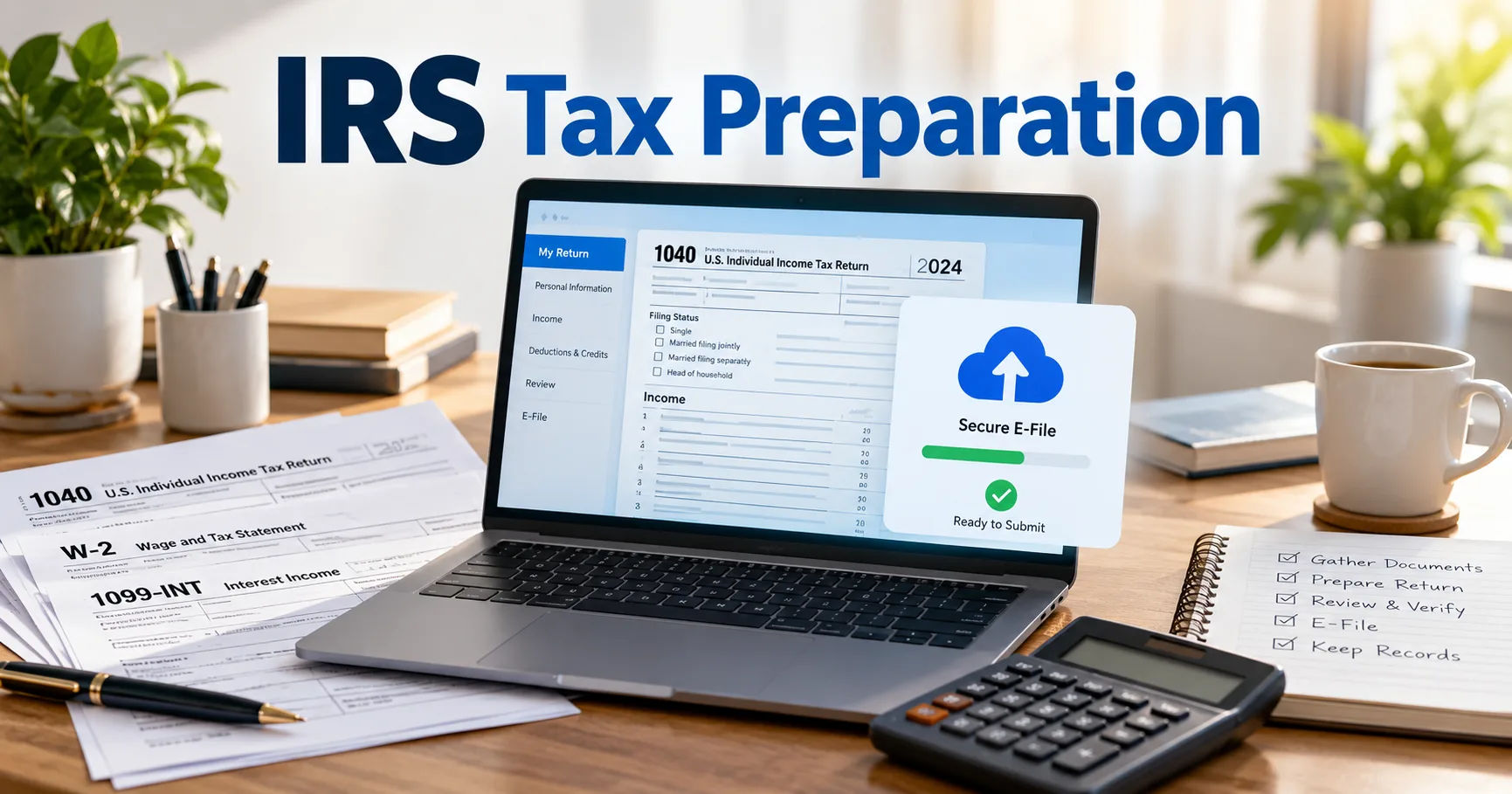 Without a consistent system, it is easy for income records to become incomplete or confusing.
Conversational financial management for massage therapists without spreadsheets for IRS tax preparation can make this process much easier. Instead of forcing every transaction into complicated spreadsheets, massage therapists can use a simpler approach that helps them record income as it happens, understand where their money comes from, and keep useful information available for tax preparation.
The purpose of income tracking is not simply to know how much money came into the business. Good tracking helps a massage therapist understand daily revenue, identify payment differences, prepare financial records, and make better decisions about pricing, scheduling, expenses, and business growth.
What Is Massage Therapist Income Tracking?
Massage therapist income tracking is the process of recording and organizing money earned from professional massage services and related business activities.
For an independent massage therapist, income may come from several sources. A client might pay directly after an appointment, purchase a package in advance, buy a gift certificate, or make a payment through an online booking system.
A massage therapist working in a wellness center may have a different arrangement. The therapist might receive a percentage of service revenue, a fixed amount per appointment, or another form of compensation.
The tracking system needs to reflect the actual way the business earns money. Conversational financial management for massage therapists without spreadsheets for IRS tax preparation works best when income information is captured consistently instead of reconstructed months later.
Track Gross Income Before Making Adjustments
One important principle is to understand gross income before considering deductions or business expenses.
Suppose a therapist charges $100 for a massage and receives $97 after a payment processor keeps a $3 processing fee. The therapist should not automatically treat $97 as the service price.
The transaction represents $100 of revenue, while the processing fee is a separate business expense.
Keeping these amounts distinguishable makes financial records much easier to understand. Conversational financial management for massage therapists without spreadsheets for IRS tax preparation should make it easier to see the difference between money earned and costs associated with collecting that money.
Identify Every Source of Massage Therapy Income
A useful income tracking system starts by identifying where payments originate.
Client Service Payments
The most obvious source is payment for massage appointments. These transactions should be recorded consistently whether the client pays by cash, card, bank transfer, or another method.
Recording the date, service, amount, and payment method creates a useful transaction history.
Package and Membership Revenue
Massage therapists may sell packages containing several appointments or offer recurring memberships.
These arrangements can make income tracking more complicated because payment timing and service timing may differ. A system should clearly record what was paid and maintain enough information to understand what the payment relates to.
Gift Certificates
Gift certificates should also be considered when organizing financial information.
The sale of a gift certificate creates a financial transaction, but the therapist may need to maintain separate records concerning when the certificate is redeemed. Clear records prevent confusion when a client uses a certificate months after purchasing it.
Other Business Income
Some massage therapists earn additional income from workshops, wellness classes, educational sessions, retail products, or other professional activities.
Separating these categories can provide a more accurate picture of how the business operates.
Create a Simple Income Tracking Routine
A tracking system becomes much more useful when it is part of a regular routine.
Waiting until tax season to reconstruct an entire year's income can create unnecessary stress. Receipts may be missing, payment records may be difficult to locate, and bank deposits may not clearly identify individual services.
Conversational financial management for massage therapists without spreadsheets for IRS tax preparation encourages a more natural workflow. Instead of treating financial management as a separate administrative project, the therapist can record financial information during normal business activities.
Record Transactions Promptly
The closer a transaction is recorded to the time it occurs, the less likely important details are to be forgotten.
After completing an appointment, the therapist can record the relevant information while the transaction is still fresh. This approach is particularly useful for therapists who see many clients in a single day.
A five-minute routine at the end of a workday may be much easier than trying to remember dozens of transactions at the end of a month.
Keep Business and Personal Money Separate
Mixing personal and business transactions makes income tracking harder.
A dedicated business bank account can make it easier to identify deposits and reconcile records. It also creates a clearer separation between money generated by the massage practice and money used for personal purposes.
Conversational financial management for massage therapists without spreadsheets for IRS tax preparation becomes much more practical when the underlying financial information is organized from the beginning.
Track Payment Methods Carefully
Different payment methods can create different records.
Cash transactions may require the therapist to maintain their own detailed documentation. Credit and debit card payments may appear in merchant reports. Online platforms may provide separate transaction histories.
If these sources are not reviewed together, the therapist could accidentally overlook income or record it twice.
Compare Deposits With Sales Records
Bank deposits should not automatically be treated as individual sales.
For example, a payment processor might combine several client payments into one deposit. The deposit amount may also be reduced by processing fees.
A strong system allows the therapist to compare the original transactions with deposits and fees.
This is another reason conversational financial management for massage therapists without spreadsheets for IRS tax preparation can be useful. The goal is not merely to collect numbers. The goal is to make the numbers understandable.
Use Income Categories That Make Sense
Income categories should be detailed enough to provide useful information without becoming unnecessarily complicated.
A massage therapist might distinguish between individual sessions, packages, memberships, gift certificates, classes, and product sales.
The categories should reflect the therapist's actual business model.
Too few categories can make the records vague. Too many can make daily tracking burdensome.
The best system is one that provides meaningful information while remaining easy to maintain.
Monitor Income by Week and Month
Annual income is important for tax purposes, but it is not enough for business management.
Weekly and monthly tracking can reveal changes that may otherwise go unnoticed.
A therapist might discover that certain months consistently generate higher revenue. Another therapist might notice that cancellations create a significant difference between scheduled appointments and collected revenue.
Conversational financial management for massage therapists without spreadsheets for IRS tax preparation can help turn these observations into practical financial information.
Look at Revenue Trends
Revenue trends can help a therapist evaluate whether the business is growing, remaining stable, or declining.
Instead of focusing on a single unusually strong or weak week, look for patterns over several months.
Seasonality can also affect massage therapy businesses. Holidays, weather, local events, and personal schedules may influence appointment volume.
Understanding these patterns can help with planning.
Track Cancellations and No-Shows
Income tracking should not focus only on completed appointments.
Cancellations and no-shows can affect expected revenue, especially when a therapist has a limited number of appointment slots.
If a cancellation fee is charged, that payment should be recorded according to the business's accounting and tax treatment.
Keeping cancellation information alongside appointment records can also help the therapist understand how much potential revenue is being lost.
Conversational financial management for massage therapists without spreadsheets for IRS tax preparation is more useful when it reflects the actual financial activity of the business rather than simply counting completed massages.
Reconcile Income Records Regularly
Reconciliation means comparing records from different sources to make sure they agree.
A massage therapist may compare their income records with bank statements, payment processor reports, booking software, and cash records.
This process can identify missing transactions, duplicate entries, unexpected fees, and deposits that need further explanation.
Fix Errors Quickly
Errors become harder to correct when they are discovered months later.
If a transaction appears incorrect, investigate it while the relevant information is still available.
A simple correction process is much easier than trying to reconstruct an entire year.
For this reason, conversational financial management for massage therapists without spreadsheets for IRS tax preparation should include regular reviews rather than a once-a-year scramble.
The Difference Between Income and Profit
Income tracking tells you how much money the business brings in. It does not tell you how much the owner actually keeps.
A massage therapist can generate significant revenue while also having substantial costs.
Expenses may include rent, supplies, massage equipment, booking software, payment processing, insurance, advertising, continuing education, professional fees, and other legitimate business costs.
Profit is determined after appropriate business expenses are accounted for.
Conversational financial management for massage therapists without spreadsheets for IRS tax preparation should therefore work alongside expense tracking rather than replacing it.
Keep Supporting Documentation
Income records are stronger when they can be supported by documentation.
Depending on the transaction, useful records may include receipts, invoices, payment processor reports, bank statements, appointment records, sales reports, and other business documents.
The exact records a therapist needs can depend on the structure of the business and applicable tax requirements.
The important point is consistency.
If a number appears in the income records, the therapist should be able to explain where it came from.
Prepare for Tax Season Throughout the Year
Tax preparation becomes easier when financial records are maintained throughout the year.
Waiting until tax season can create pressure because the therapist may need to review hundreds of transactions at once.
A better approach is to keep financial information organized as the business operates.
Conversational financial management for massage therapists without spreadsheets for IRS tax preparation can support this approach by making financial tracking part of the normal business routine.
Make Tax Information Easy to Review
At the end of a reporting period, a therapist should be able to review total income and understand how those totals were generated.
The records should make it possible to distinguish different income sources and identify discrepancies.
This does not eliminate the need for professional tax advice when appropriate. It simply gives the therapist cleaner information to provide to a tax professional.
Use Technology Without Making Tracking Complicated
Technology can make income tracking easier, but adding more software does not automatically create better records.
The system should match the therapist's workflow.
A therapist who works independently and sees a small number of clients may need a much simpler process than a multi-location massage business with employees and several payment channels.
Conversational financial management for massage therapists without spreadsheets for IRS tax preparation can be particularly useful for people who understand their business better through natural questions and conversations than through complex spreadsheet formulas.
For example, instead of manually calculating multiple columns, a therapist may want to understand how much income was generated from appointments during a particular period or whether monthly revenue has increased.
The technology should make that information easier to access, not harder.
Protect Client and Financial Information
Income records can contain sensitive business information.
Massage therapists should take reasonable steps to protect financial records, client-related information, payment details, and account credentials.
Access should be limited to people who need it.
Strong passwords, secure devices, reputable software, and appropriate backups can reduce avoidable risks.
Financial convenience should never come at the expense of basic data security.
Common Income Tracking Mistakes
One common mistake is recording only bank deposits instead of individual revenue transactions.
Another is forgetting cash payments.
Some therapists also mix personal and business purchases, making it difficult to determine which transactions belong to the practice.
Failing to account for payment processing fees can create confusing totals.
Another problem is inconsistent treatment of packages and gift certificates.
These issues may seem minor individually, but they can create significant confusion when repeated throughout the year.
Conversational financial management for massage therapists without spreadsheets for IRS tax preparation should reduce unnecessary complexity while still encouraging accurate and complete records.
How Income Tracking Supports Better Business Decisions
Income tracking is not only about taxes.
A therapist can use financial information to understand which services generate the most revenue, when demand is highest, and whether current pricing supports the cost of operating the practice.
It can also help answer practical questions.
Is the business earning enough from its current appointment schedule? Are cancellations becoming a problem? Are certain services more popular than expected? Is revenue increasing without a corresponding improvement in profit?
These questions are difficult to answer without reliable financial records.
Conversational financial management for massage therapists without spreadsheets for IRS tax preparation can turn routine transaction information into something more useful for everyday business decisions.
Build a System You Will Actually Maintain
The best income tracking system is not necessarily the most sophisticated one.
A complicated system that takes hours to maintain may eventually be abandoned.
A simpler system that is updated consistently is usually more useful.
Start by identifying every income source. Record transactions promptly. Keep business and personal finances separate. Review records regularly. Compare income information with supporting financial documents. Preserve records in a secure location.
The process should become routine rather than something that feels overwhelming.
Conversational financial management for massage therapists without spreadsheets for IRS tax preparation is ultimately about making financial organization practical. The system should fit the therapist's working style instead of forcing the therapist to become a spreadsheet expert.
Conclusion
Massage therapist income tracking is one of the most important administrative habits an independent massage professional can develop. It provides a clearer picture of revenue, supports organized tax preparation, helps identify errors, and gives the business owner information needed to make better financial decisions.
The process does not need to be complicated. A therapist can begin by identifying every source of income, recording payments promptly, separating business and personal finances, reviewing deposits, and keeping supporting documentation.
Regular monitoring is especially valuable. Weekly or monthly reviews make it easier to identify missing payments, unusual changes, cancellation patterns, and revenue trends before small problems become larger ones.
Conversational financial management for massage therapists without spreadsheets for IRS tax preparation offers a practical way to think about financial organization without making the process unnecessarily technical. The emphasis should remain on accurate information, consistent habits, understandable records, and easy access to useful financial details.
A well-maintained system also does more than prepare a therapist for tax season. It can reveal which services perform well, whether pricing makes sense, how appointment volume affects revenue, and where the business may need improvement.
The key is consistency. Income tracking works best when it happens throughout the year rather than during a last-minute tax preparation rush. With a straightforward routine and reliable records, massage therapists can spend less time trying to reconstruct their finances and more time understanding how their businesses are actually performing.For a self-employed massage therapist, good financial tracking is not busywork. It is part of running a professional, sustainable business.

Leave a Reply